How to Get Six-Pack Abs: Training, Diet and Realistic Timelines
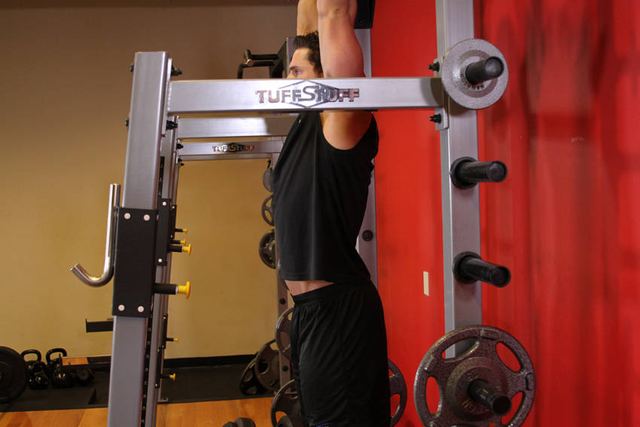
Everyone has abs. Whether you can see them depends mostly on one thing: your body fat. This guide explains the body fat levels where abs appear, the core exercises that build them, the diet that reveals them, and how long it realistically takes.
Anatomy of your core
- Rectus abdominis: the "six-pack" muscle running from the ribs to the pelvis. Tendinous bands divide it into segments. How many segments you have (four, six or eight) is genetic.
- External and internal obliques: on the sides, for rotation and side bending.
- Transverse abdominis: the deepest layer, wrapping around like a corset to brace the spine.
- Lower back muscles and glutes also form part of the core.
A strong core does more than look good. It transfers force between the upper and lower body, protects the spine during lifting and helps posture and balance.
Body fat: the real secret
Visible abs depend mainly on body fat percentage. Approximate ranges where abs start to show for most people:
| Men | Women | |
|---|---|---|
| Outline of upper abs | about 13–15% | about 20–22% |
| Clear six-pack | about 10–12% | about 17–19% |
| Very defined, "shredded" | below about 8% | below about 15% |
These are rough guides; genetics and where you store fat make a big difference. Very low body fat levels are hard to maintain and can affect energy, hormones and, in women, menstrual health. A healthy, sustainable level with some ab definition is a great goal for most people. Estimate yours with our body fat calculator.
Step 1: Reduce body fat with nutrition
Since you cannot spot-reduce belly fat, getting lean enough requires a calorie deficit. The strategy is the same as in our belly fat guide:
- A moderate deficit (about 15–25% below maintenance)
- High protein: 1.8–2.4 g per kg of body weight while dieting
- Mostly whole foods, plenty of vegetables and fiber
- Few sugary drinks and little alcohol
- 7–9 hours of sleep
Use the plan builder for your numbers, or follow a 7-day meal plan.
Step 2: Build the muscles with targeted training
Ab muscles respond to training like any other muscle: progressive overload, enough volume and adequate recovery. Thicker, stronger abs show through at slightly higher body fat levels. Train the core 2–4 times per week, covering four functions:
| Function | Best exercises |
|---|---|
| Spinal flexion (six-pack) | Crunches, cable crunches, reverse crunches, hanging leg raises |
| Rotation (obliques) | Russian twists, bicycle crunches, cable woodchops |
| Anti-extension (bracing) | Planks, dead bugs, ab-wheel rollouts |
| Anti-lateral flexion | Side planks, suitcase carries |
A 15-minute ab routine (2–4× per week)
- Hanging knee or leg raises – 3 × 8–15 (or reverse crunches at home)
- Weighted crunches or cable crunches – 3 × 10–15
- Russian twists – 3 × 12–20 per side
- Plank – 3 × 30–60 seconds (or a harder variation)
Progress by adding weight, reps, slower tempos or harder variations, exactly as with other muscles. Doing hundreds of easy crunches is far less effective than a few challenging sets.
Do not forget compound lifts
Squats, deadlifts, overhead presses, rows and carries all require your core to work hard to keep your spine stable. They will not replace direct ab work for the six-pack itself, but they build a strong, functional core and burn more energy than isolation exercises. Our home and gym programs combine both.
How long does it take to get abs?
It depends on your starting body fat. At a sustainable rate of fat loss (about 0.5–1% of body weight per week), a man at 20% body fat aiming for about 11% may need roughly 4–6 months. A woman at 30% aiming for 20% may need a similar time frame. People starting closer to the goal may see abs in 8–12 weeks.
Realistic expectation: most people see abs appear gradually, upper abs first, lower abs last, because the lower belly is often the last place to lose fat, especially for men.
Ab myths
- "Ab workouts burn belly fat." They do not burn fat from the stomach specifically.
- "You need to train abs every day." They need recovery like other muscles; 2–4 sessions per week is plenty.
- "Certain foods give you abs." No single food melts belly fat. Overall diet quality and calorie balance matter.
- "Lower abs are a separate muscle." The rectus abdominis is one muscle, though exercises like reverse crunches emphasize the lower part a bit more.
- "Ab belts and vibration machines work." They do not produce meaningful fat loss or six-packs.
Abs for women
Women naturally carry more essential body fat, so visible abs appear at higher body fat percentages than for men. Chasing very low body fat can disrupt menstrual cycles and bone health. Many women find a strong, flat, lightly defined stomach a healthier, more sustainable goal than an extremely shredded six-pack. After pregnancy, a separation of the abdominal muscles (diastasis recti) is common; get assessed by a doctor or pelvic-floor physical therapist before intense ab training.
Ab exercise progressions
Like any muscle, your abs need progressively harder challenges. Here are progression ladders for the main ab functions:
| Level | Flexion | Anti-extension | Rotation |
|---|---|---|---|
| Beginner | Crunch | Plank on knees → plank | Russian twist, feet down |
| Intermediate | Reverse crunch, weighted crunch | Dead bug, long-lever plank | Bicycle crunch, Russian twist, feet up |
| Advanced | Hanging leg raise, cable crunch | Ab-wheel rollout, body saw | Weighted Russian twist, cable woodchop |
Sample weekly core plan
- Day 1 (after upper-body training): hanging leg raises 3 × 10, cable crunch 3 × 12, side plank 2 × 30 sec per side.
- Day 2 (after lower-body training): dead bug 3 × 10 per side, Russian twists 3 × 15 per side, plank 3 × 45 sec.
- Day 3 (optional): bicycle crunches 3 × 15 per side, reverse crunches 3 × 15, flutter kicks 3 × 30 sec.
Our programs already include core work, so you can simply follow the men's or women's intermediate programs and add an extra ab circuit if abs are a priority.
Bloating vs belly fat
A stomach that looks flat in the morning and round in the evening is usually bloating, not fat gain. Common causes include large meals, carbonated drinks, high-fiber foods introduced too quickly, certain sugar alcohols in "diet" products, eating fast, and constipation. Bloating does not hide your progress permanently. If bloating is severe, persistent or comes with pain or changes in bowel habits, see a doctor.
Maintaining abs once you get them
Maintaining a lean physique is easier than getting there. Move your calories up to maintenance gradually (about 100–200 calories per week), keep protein high, continue strength training, and monitor your waist measurement. Many people find a slightly higher, comfortable body-fat level with faint ab outlines much easier to live with than a peak "shredded" state, which is usually temporary even for physique athletes.
Posture and core appearance
A strong core and good posture also change how your stomach looks. An excessive anterior pelvic tilt (the pelvis tipping forward, often from long hours of sitting) can make the lower belly protrude more. Glute work, core bracing exercises such as the dead bug and plank, and hip-flexor stretching like the world's greatest stretch help many people stand taller and look leaner instantly.
The bottom line
Six-pack abs are built in the gym and revealed in the kitchen. Train your core 2–4 times per week with challenging, progressive exercises, lift weights for your whole body, and reduce your body fat slowly with high protein, a moderate calorie deficit and good sleep. Be patient: abs are a long-term project, but a very achievable one.
Frequently asked questions
Can I get abs in 30 days?
Only if you are already quite lean. For most people, visible abs take several months of consistent dieting and training.
How often should I train abs?
Two to four times per week with challenging exercises is enough.
Why can't I see my abs even though I train them?
Most likely your body fat is too high. Abs become visible at roughly 10–15% body fat for men and 17–22% for women.
Are planks or crunches better?
Both. Crunches build the six-pack muscle; planks build stability. A complete routine includes both.
Disclaimer: This article is for general education and is not medical advice. Consult a doctor or qualified professional before making major changes to your exercise or diet, especially if you have a health condition.
Keep reading
How to Lose Belly Fat: A Science-Based Guide for Men and Women
Why belly fat is stubborn, why crunches alone will not burn it, and the exact nutrition, training, sleep and stress habits that actually shrink your waist.
The 12 Best Glute Exercises for Women (Home & Gym) + Sample Workouts
The most effective glute exercises for women, explained: hip thrusts, RDLs, split squats, abduction and more, plus how to program them for stronger, rounder glutes.
How to Build Muscle: The Complete Beginner's Guide (2026)
Everything a beginner needs to build muscle: training volume, reps, progressive overload, protein, calories, sleep and a simple first program.