Home Workouts vs Gym: Which Is Better for Your Goals?
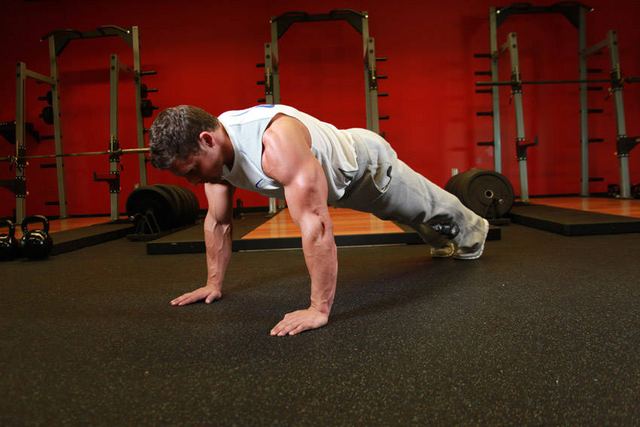
Should you buy a gym membership or train in your living room? Both can get you in great shape. The right choice depends on your goals, budget, schedule and personality. This comparison helps you decide, and shows how to get the most from whichever option you choose.
The short answer
For general fitness, fat loss and beginner muscle building, home workouts can be just as effective as the gym. Research shows that muscles respond to the effort and tension of a set, not to whether the resistance comes from a barbell, a dumbbell or your own body weight, as long as sets are taken close to failure. For advanced muscle building and maximum strength, the gym has a clear advantage because it makes heavy progressive overload much easier.
The best place to train is the one you will actually go to, consistently, for years.
Side-by-side comparison
| Factor | Home | Gym |
|---|---|---|
| Cost | Free to a few hundred dollars once | Monthly fee (often $10–$60+ in the U.S.) |
| Time | No travel, no waiting | Travel time + possible waits for equipment |
| Equipment | Limited, unless you build a home gym | Huge variety: barbells, racks, cables, machines |
| Progressive overload | Harder after the beginner stage | Easy: always a heavier weight available |
| Max strength | Limited | Excellent |
| Privacy & comfort | Total privacy | Public, can feel intimidating at first |
| Motivation | Easy to skip or get distracted | "Training environment" and community can motivate |
| Flexibility | Train any time, even 15 minutes | Limited by hours and travel |
| Coaching | Online only | Trainers and experienced members nearby |
Advantages of home workouts
1. Convenience beats everything
The number-one predictor of fitness results is consistency. When your "gym" is ten steps away, there are fewer excuses. A 25-minute workout before work or while dinner is in the oven becomes realistic. For parents, shift workers and busy professionals, that convenience can make the difference between training three times a week and not training at all.
2. It is cheap
You can start with nothing. Bodyweight exercises such as push-ups, squats, lunges, glute bridges, inverted rows under a table and planks are enough for the first months. Later, a set of adjustable dumbbells and a pull-up bar can cover most needs for years.
3. No intimidation
Many beginners, especially women and people with a lot of weight to lose, feel self-conscious in a gym. At home you can learn the movements, make mistakes and build confidence privately.
4. It is enough for most goals
Studies comparing low-load and high-load training have found similar muscle growth when sets are taken close to failure. That means push-ups can build the chest, and dumbbell split squats can build the legs, as long as you keep making them harder.
Disadvantages of home workouts
- Overload gets harder. Once you can do 30+ push-ups, you need harder variations, weighted vests or more equipment. Legs in particular are hard to challenge without heavy weights.
- Distractions. Kids, phones, the couch and the fridge are always nearby.
- Space. Small apartments limit equipment and some exercises.
- Less pulling. Back training is difficult without a pull-up bar or bands.
Advantages of the gym
- Unlimited progression. There is always a heavier dumbbell or another plate for the bar.
- Variety. Cables, machines and free weights let you train each muscle from different angles and work around injuries.
- Big lifts. Barbell squats, deadlifts and bench presses with a proper rack and safety equipment.
- Environment. Being surrounded by people training hard can increase effort. Many people simply train harder in a gym.
- Help is available. Staff, trainers and experienced members can show you how to use equipment.
- Cardio machines and extras such as treadmills, rowers, pools and classes.
Disadvantages of the gym
- Membership costs add up over time.
- Travel time can turn a 45-minute workout into 90 minutes.
- Crowds at peak hours (often weekday evenings and Monday "chest day").
- Can feel intimidating for beginners.
Which is better for your goal?
Fat loss
Tie. Fat loss is driven mostly by diet, plus strength training to keep muscle and daily movement. Home circuits, walking and a good meal plan work perfectly. See our belly fat guide.
Building muscle (beginners)
Tie to slight gym advantage. Beginners grow well with bodyweight and dumbbell training. Try the men's or women's beginner home workout.
Building muscle (intermediate & advanced)
Gym advantage, unless you invest in a well-equipped home gym with heavy adjustable dumbbells, a rack and a barbell.
Maximum strength
Gym wins. Strength is specific to heavy loads, and you need barbells and racks to train it safely.
Glute development
Slight gym advantage for heavy hip thrusts and machines, but dumbbells and bands go a long way at home. See our glute exercise guide.
General health and longevity
Home wins on consistency. The health benefits of exercise come from doing it regularly for years.
Building a home gym on a budget
| Budget | What to buy | What it unlocks |
|---|---|---|
| $0 | Nothing: body weight, a chair, a sturdy table | Full beginner programs |
| $30–$60 | Mat, resistance loop bands, jump rope | Glute work, warm-ups, cardio |
| $100–$400 | Adjustable dumbbells, doorway pull-up bar | Intermediate muscle building |
| $400–$1,000+ | Adjustable bench, kettlebell, heavier dumbbells | Advanced home training |
| $1,500+ | Squat rack, barbell, plates, rubber flooring | Full strength training at home |
The hybrid approach
You do not have to choose one forever. Many people get great results with a hybrid: two gym sessions per week for heavy lower-body and back work, plus one or two short home sessions for upper body, core and conditioning. Others start at home to build confidence and basic strength, then move to the gym after a few months.
How to succeed at home
- Set a fixed workout time, just like a gym class.
- Create a dedicated space, even a corner with a mat.
- Follow a written program instead of random YouTube videos.
- Track reps and progress in a notebook.
- Use slow tempos and pauses to make bodyweight exercises harder.
- Put your phone on Do Not Disturb.
How to succeed at the gym
- Pick a gym close to home or work: travel time kills consistency.
- Go at off-peak times if crowds bother you (early morning, mid-afternoon).
- Arrive with a plan. Our gym programs tell you exactly what to do.
- Ask staff to show you machine settings on your first visit.
- Always use safety bars or a spotter on heavy squats and bench presses.
Sample 45-minute home workout
To show what a serious home session looks like, here is a full-body workout using only a pair of adjustable dumbbells and a chair:
- Goblet squat – 4 × 10–12 (3-second lowering)
- Push-ups – 4 × 8–20
- One-arm dumbbell row – 4 × 10–12 per arm
- Dumbbell Romanian deadlift – 3 × 10–12
- Dumbbell shoulder press – 3 × 8–12
- Bulgarian split squat – 3 × 8–10 per leg
- Plank – 3 × 45 seconds
Done with real effort, this session challenges every major muscle group and rivals a typical gym workout for a beginner or intermediate trainee.
Sample 60-minute gym workout
- Barbell back squat – 4 × 5–8
- Bench press – 4 × 5–8
- Lat pulldown – 3 × 8–12
- Hip thrust – 3 × 8–12
- Seated cable row – 3 × 10–12
- Lateral raises – 3 × 12–15
- Hanging leg raises – 3 × 10
The gym version can be loaded much heavier, which becomes increasingly important as you get stronger.
The real cost over five years
A rough comparison helps put money in perspective. A typical mid-range U.S. gym membership of $30–$50 per month costs about $1,800–$3,000 over five years, plus fuel or transport. A solid home setup with adjustable dumbbells, a bench, a pull-up bar, bands and a kettlebell might cost $500–$1,200 once, and keeps its resale value. A full garage gym with a rack and barbell can cost $1,500–$3,000 but serves a whole family for decades. Budget gyms can be very affordable, though, so the "cheapest" option depends on your situation.
Which personality type are you?
- The busy parent or professional: home workouts usually win. Short, frequent sessions fit around family and work.
- The social trainer: the gym or group classes provide energy, community and accountability.
- The self-conscious beginner: start at home, build confidence, then try the gym at quiet times.
- The numbers chaser: if you love watching your squat and bench go up, the gym is your playground.
- The traveler: master bodyweight and band training so you can train anywhere.
Differences for men and women
Men chasing a bigger upper body often outgrow home equipment sooner, since pressing and pulling strength rises quickly. Women focused on glutes and legs can make excellent progress at home with dumbbells, bands and single-leg exercises, though heavy hip thrusts and machines become valuable later. Both can follow our dedicated men's and women's programs in either setting.
The bottom line
Home workouts are cheaper, more convenient and more than enough for beginners, fat loss and general health. The gym is better for heavy strength training and long-term muscle building. Choose the option that fits your life, follow a structured program, and focus on getting a little better every week. That matters far more than where you train.
Frequently asked questions
Can you build muscle with only home workouts?
Yes, especially as a beginner. Use harder variations, slow tempos and dumbbells to keep progressing.
Is the gym worth it for weight loss?
Not necessary. Weight loss depends mostly on diet. Home training plus walking works very well.
How much equipment do I need at home?
None to start. Adjustable dumbbells and a pull-up bar are the best first purchases.
Are home workouts good for women?
Yes. Our women's home programs use bodyweight, bands and dumbbells to build glutes, legs and arms effectively.
Disclaimer: This article is for general education and is not medical advice. Consult a doctor or qualified professional before making major changes to your exercise or diet, especially if you have a health condition.
Keep reading
How to Lose Belly Fat: A Science-Based Guide for Men and Women
Why belly fat is stubborn, why crunches alone will not burn it, and the exact nutrition, training, sleep and stress habits that actually shrink your waist.
The 12 Best Glute Exercises for Women (Home & Gym) + Sample Workouts
The most effective glute exercises for women, explained: hip thrusts, RDLs, split squats, abduction and more, plus how to program them for stronger, rounder glutes.
How to Build Muscle: The Complete Beginner's Guide (2026)
Everything a beginner needs to build muscle: training volume, reps, progressive overload, protein, calories, sleep and a simple first program.