Your First Month at the Gym: A Step-by-Step Beginner's Guide
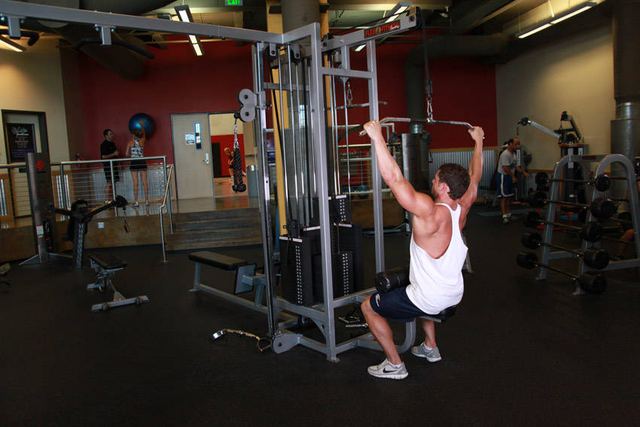
Walking into a gym for the first time can be intimidating. Everyone seems to know what they are doing, the machines look complicated, and you are not sure where to start. This guide removes the guesswork with a clear, week-by-week plan for your first month.
Before your first visit
Choose the right gym
The best gym is the one you will actually use. Look for these things:
- Location: within 10–15 minutes of home or work.
- Opening hours that match your schedule.
- Equipment: at least a few squat racks, a dumbbell area, cable machines and basic cardio.
- Atmosphere: visit at the time you plan to train and see how busy it is and whether you feel comfortable.
- Contract terms: read the cancellation rules before signing.
What to bring
- Comfortable clothes you can move and squat in
- Flat, stable shoes (running shoes are fine at first; flat soles are better for heavy lifting)
- A water bottle
- A small towel
- A lock if the gym has lockers
- Your workout plan on your phone or paper
- Headphones, if you like music
Get a health check if needed
If you have a heart condition, high blood pressure, diabetes, joint problems, are pregnant, or have been inactive for a long time and are over 40, check with your doctor before starting.
Gym etiquette: the unwritten rules
- Re-rack your weights. Put dumbbells and plates back where they belong.
- Wipe down equipment after use. Most gyms provide spray and towels.
- Do not sit on machines scrolling your phone between sets when people are waiting.
- Share equipment. If someone asks to "work in", let them alternate sets with you.
- Give people space and do not walk directly in front of someone lifting in front of a mirror.
- Do not curl in the squat rack when the gym is busy; racks are limited.
- Do not give unsolicited advice, and do not worry about others judging you. Most people are focused on their own workout.
The anatomy of a good workout
- Warm-up (5–10 minutes): light cardio, a few mobility drills such as the world's greatest stretch, and 1–2 light sets of your first exercise.
- Main lifts (25–40 minutes): 5–6 exercises covering the whole body.
- Optional cardio (10–20 minutes).
- Cool-down (3–5 minutes): easy walking and a few stretches like child's pose.
How heavy should you lift?
Use the "reps in reserve" (RIR) approach. After a set, ask yourself: how many more reps could I have done with good form?
| Week | Target reps in reserve | How it feels |
|---|---|---|
| Week 1 | 4–5 | Easy, focus on learning |
| Week 2 | 3–4 | Moderate |
| Week 3 | 2–3 | Challenging last reps |
| Week 4 | 1–2 | Hard, but form stays clean |
When you can do all prescribed sets at the top of the rep range with your target RIR, increase the weight next session: about 5 lb (2.5 kg) on lower-body barbell lifts and 2.5–5 lb (1–2.5 kg) on upper-body lifts.
Your 4-week beginner plan
Train three non-consecutive days per week (for example Monday, Wednesday, Friday), alternating Workout A and Workout B.
Workout A
- Leg press – 3 × 10–12
- Dumbbell bench press – 3 × 8–12
- Lat pulldown – 3 × 10–12
- Lying leg curl – 2 × 12
- Lateral raise – 2 × 12–15
- Plank – 3 × 20–40 sec
Workout B
- Goblet squat – 3 × 10
- Dumbbell Romanian deadlift – 3 × 10
- Seated cable row – 3 × 10–12
- Dumbbell shoulder press – 3 × 8–12
- Biceps curl + triceps pushdown – 2 × 12 each
- Dead bug – 3 × 8 per side
After this first month, continue with the full 8-week men's beginner gym program or women's beginner gym program.
Week by week
Week 1: Learn and explore
Your only goal is to learn the movements and get comfortable in the gym. Use light weights, focus on technique, and read the exercise guides before each session. Ask staff to help you set up machines. It is normal to feel a little lost. Expect some muscle soreness 1–3 days after your first workouts; this is called delayed-onset muscle soreness (DOMS) and it fades as your body adapts.
Week 2: Build the routine
Train on the same days and at the same times. Start logging your weights and reps. Increase weights slightly where the movements feel smooth.
Week 3: Push a little harder
Your last reps should now feel challenging. Add weight or reps where you can. Notice how much stronger you are than in week 1: most of this early strength comes from your nervous system learning the movements.
Week 4: Own it
Train with real effort while keeping form clean. Take progress photos and measurements. At the end of the week, celebrate: you have built a habit, which is the hardest part.
What about cardio?
Add 10–20 minutes of moderate cardio after your weights or on separate days: incline treadmill walking, the bike, the elliptical or the rower. Aim for a total of about 150 minutes of moderate activity per week across all your activities, including walking.
Food for your first month
You do not need a perfect diet to start. Focus on three habits: eat protein at every meal, drink water instead of sugary drinks, and eat vegetables or fruit with most meals. If you want more structure, use the plan builder to get your calorie and protein targets, or follow one of our 7-day meal plans.
Staying consistent
- Schedule workouts in your calendar like appointments.
- Lower the bar on bad days: a 20-minute workout is better than none.
- Track progress: seeing your numbers go up is powerfully motivating.
- Find a gym buddy or join a class for accountability.
- Focus on how you feel (energy, sleep, mood), not only the scale.
- Expect setbacks. Missed a week? Just restart. Consistency over months, not perfection, creates results.
Mistakes to avoid
- Copying advanced bodybuilders' 6-day programs.
- Lifting too heavy with poor form.
- Skipping the warm-up.
- Doing only cardio or only machines for the parts you "like".
- Comparing yourself with people who have trained for years.
- Training through sharp pain.
How to use the most common gym machines
Machines are great for beginners because they guide the movement. A few universal tips: adjust the seat so the joint you are moving lines up with the machine's pivot point, start with a light weight, move slowly, and do not let the weight stack slam down between reps.
| Machine | Muscles | Key setup tip |
|---|---|---|
| Leg press | Quads, glutes | Lower back stays pressed into the pad; do not lock knees hard |
| Lat pulldown | Back, biceps | Thigh pad snug; pull the bar to the upper chest, not behind the neck |
| Seated cable row | Mid-back | Sit tall, pull to the belly button, squeeze shoulder blades |
| Leg extension | Quads | Knee in line with the pivot; pad just above the ankles |
| Leg curl | Hamstrings | Hips pressed down; pad just above the heels |
| Cable pushdown | Triceps | Elbows pinned to your sides |
| Hip abduction | Outer glutes | Lean slightly forward for more glute work |
Beating gym anxiety
"Gymtimidation" is extremely common. Some practical strategies:
- Go at quiet times for your first few weeks: early mornings, mid-mornings and early afternoons are usually calmer than 5–7 p.m.
- Take a tour and ask staff to show you the equipment before your first workout.
- Bring a friend for the first few sessions.
- Have your plan ready so you are never standing around wondering what to do.
- Wear headphones to create your own space.
- Remember: most regular gym-goers are happy to see beginners and are focused on their own training.
Dealing with soreness
Delayed-onset muscle soreness (DOMS) peaks 24–72 hours after unfamiliar exercise. It is normal and usually fades within a few days. To manage it: keep moving with light walking, stay hydrated, sleep well, and do not skip your next workout entirely; light training of sore muscles often makes them feel better. Soreness becomes much milder after the first two or three weeks as your body adapts. Sharp pain, joint pain or swelling is different and should be checked by a professional.
First-month checklist
- ☐ Chose a gym close to home or work
- ☐ Scheduled three workout days in my calendar
- ☐ Read the exercise guides for my program
- ☐ Logged every workout
- ☐ Increased weight or reps on most exercises
- ☐ Ate protein at every meal
- ☐ Walked 7,000+ steps on most days
- ☐ Took starting photos and measurements
What comes after month one?
After four weeks, keep following a beginner program for at least another one to three months. Beginners progress fastest on simple, consistent programs. Once your weekly progress slows down, which typically happens after 4–9 months, move to an intermediate upper/lower split. You can also use the plan builder again to recalculate your calories as your body changes.
The bottom line
Your first month at the gym is about learning, building a routine and getting comfortable. Use a simple full-body plan three times a week, start light, add weight gradually, and focus on showing up. By the end of the month, you will feel at home in the gym, and you will be ready for real progress.
Frequently asked questions
How long should a beginner gym workout be?
About 45–60 minutes including warm-up is plenty.
How many days a week should a beginner go to the gym?
Three days of full-body training is ideal for most beginners.
Is it normal to be sore after the first workout?
Yes. Muscle soreness 24–72 hours after a new workout is normal and decreases as you adapt.
Should beginners use machines or free weights?
Both. Machines are easier to learn; free weights build coordination. Our beginner plans combine them.
When will I see results?
You will feel stronger within 2–3 weeks. Visible changes usually come after 6–8 weeks.
Disclaimer: This article is for general education and is not medical advice. Consult a doctor or qualified professional before making major changes to your exercise or diet, especially if you have a health condition.
Keep reading
How to Lose Belly Fat: A Science-Based Guide for Men and Women
Why belly fat is stubborn, why crunches alone will not burn it, and the exact nutrition, training, sleep and stress habits that actually shrink your waist.
The 12 Best Glute Exercises for Women (Home & Gym) + Sample Workouts
The most effective glute exercises for women, explained: hip thrusts, RDLs, split squats, abduction and more, plus how to program them for stronger, rounder glutes.
How to Build Muscle: The Complete Beginner's Guide (2026)
Everything a beginner needs to build muscle: training volume, reps, progressive overload, protein, calories, sleep and a simple first program.