Cardio vs Weights for Fat Loss: Which Is Better?
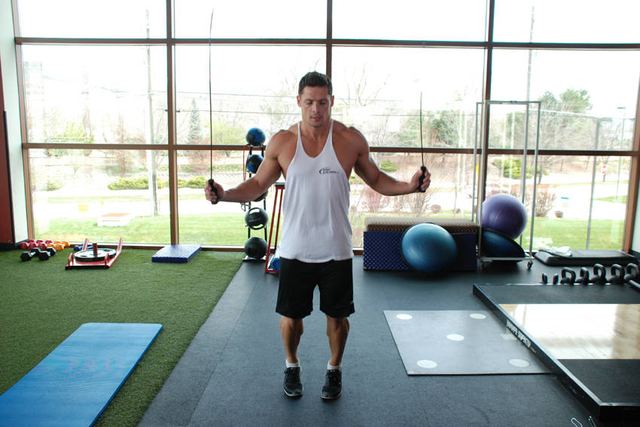
It is one of the oldest debates in fitness: if you want to lose fat, should you run or lift? The honest answer is that each does something the other cannot, and the best results come from combining them the right way. Here is how.
First: fat loss happens mainly in the kitchen
Exercise burns calories, but probably fewer than you think. A 30-minute jog burns roughly 250–400 calories for most people, which can be cancelled out by one large coffee drink and a muffin. Research consistently shows that exercise alone, without changes to diet, usually produces modest weight loss. The body also partly compensates for exercise by increasing hunger and reducing other movement.
So the foundation of fat loss is a calorie deficit through diet. The role of exercise is to make that deficit easier, protect muscle, improve health and shape what you look like after the fat is gone. Cardio and weights contribute to these in different ways.
What cardio does best
- Burns more calories per session. Minute for minute, continuous cardio usually burns more energy during the workout than lifting.
- Reduces visceral fat. Aerobic exercise is one of the most consistently effective ways to reduce the dangerous fat around organs, even with modest weight loss.
- Improves heart and lung health, blood pressure, cholesterol and insulin sensitivity.
- Can be done often, especially low-intensity options like walking, without much recovery cost.
What weight training does best
- Protects muscle during a diet. Without resistance training, a significant share of weight lost can come from lean tissue. Lifting signals the body to keep muscle.
- Builds muscle, which slightly increases resting energy expenditure and improves blood-sugar control.
- Changes your shape. Losing fat while keeping or building muscle gives the firm, athletic look people want, instead of just a "smaller" version of the same shape.
- Strengthens bones and joints and keeps you functional as you age.
The "afterburn" effect (EPOC), extra calorie burn after training, exists for both weights and intense cardio, but it is small: usually a few dozen extra calories, not hundreds.
What the research says about combining them
Studies comparing aerobic training, resistance training and the combination generally find:
- Aerobic exercise produces somewhat more fat and weight loss than resistance training alone.
- Resistance training produces more lean mass gain than aerobic training alone.
- The combination tends to give the best overall body composition improvements: fat lost and muscle kept or gained.
The U.S. Physical Activity Guidelines reflect this: adults should get 150–300 minutes of moderate (or 75–150 minutes of vigorous) aerobic activity per week, plus muscle-strengthening activities on two or more days.
HIIT vs steady-state cardio
| HIIT (intervals) | Steady-state (LISS/MISS) | |
|---|---|---|
| Example | 8 × 30 sec hard / 60 sec easy on a bike | 40 min brisk walk or easy cycling |
| Time | 15–25 min | 30–60 min |
| Fat loss | Similar when total work is matched | Similar when total work is matched |
| Fitness (VO2max) | Excellent | Good |
| Recovery cost | High; can interfere with leg training | Low |
| Joint stress | Higher with running/jumping | Low with walking/cycling |
| How often | 1–2× per week | Daily is fine |
Meta-analyses comparing HIIT with moderate continuous training find similar fat loss in most cases, with HIIT taking less time. Use HIIT when you are short on time, and walking or easy cardio for everything else. Too much HIIT on top of heavy lifting often leads to fatigue, poor sleep and stalled progress.
The underrated hero: walking
Daily walking is one of the best fat-loss tools available. It burns meaningful calories (roughly 80–120 per mile for most adults, depending on body weight), barely increases hunger, does not interfere with strength training, reduces stress and can be done by almost anyone. Going from 4,000 to 9,000 steps per day can add up to roughly 200–300 extra calories burned daily. Over a month, that is meaningful.
The best weekly plan for fat loss
| Day | Session |
|---|---|
| Monday | Full-body strength (45 min) |
| Tuesday | Brisk walk 40 min or easy cycling |
| Wednesday | Full-body strength (45 min) |
| Thursday | HIIT 20 min (bike, rower or circuit) + core |
| Friday | Full-body strength (45 min) |
| Saturday | Long walk, hike, swim or sport (60 min) |
| Sunday | Rest, gentle walk |
| Every day | 7,000–10,000 steps |
Pair this with a moderate calorie deficit and high protein. For the strength sessions, choose a program that fits you: men's home, women's home, men's gym or women's gym.
Should you do cardio before or after weights?
If strength and muscle are priorities, lift first and do cardio afterwards or on separate days. Hard cardio before lifting reduces strength and performance. A short 5-minute cardio warm-up before lifting is fine. If you do both on the same day, separating them by several hours is ideal but not essential.
Is fasted cardio better?
Fasted cardio burns a higher proportion of fat during the session, but studies that measured actual fat loss over weeks found no meaningful difference compared with fed cardio when calories were matched. Do cardio at the time that suits you best.
A 20-minute home fat-burning circuit
Do each exercise for 40 seconds, rest 20 seconds, and repeat the circuit 3–4 times:
- Jumping jacks
- Goblet squats or bodyweight squats
- Push-ups (knees or incline OK)
- Mountain climbers
- Reverse lunges
- Plank
Mistakes that stall fat loss
- Doing hours of cardio while ignoring nutrition.
- Skipping strength training and losing muscle.
- Eating back all the calories a fitness tracker says you burned. Trackers often overestimate exercise calories.
- Doing HIIT every day and burning out.
- Sitting all day outside of workouts.
How many calories do different workouts burn?
Calorie burn depends heavily on body weight, intensity and fitness. The figures below are rough estimates for a 155 lb (70 kg) person over 30 minutes, based on commonly cited metabolic-equivalent (MET) values:
| Activity (30 minutes) | Approximate calories |
|---|---|
| Walking, 3.5 mph (5.6 km/h) | 140–160 |
| Incline treadmill walking | 180–250 |
| Cycling, moderate | 220–260 |
| Running, 6 mph (9.7 km/h) | 330–370 |
| Rowing, moderate | 210–250 |
| Weight training, general | 100–180 |
| Circuit training / HIIT | 250–400 |
| Jump rope, moderate | 330–380 |
Heavier people burn more; lighter people burn less. Fitness trackers often overestimate these numbers, so do not "eat back" exercise calories based on a watch.
Differences between men and women
Both men and women benefit from combining cardio and weights. Some research suggests that women may rely slightly more on fat as a fuel during endurance exercise, but this does not translate into faster fat loss in practice. Women often under-prioritize strength training, while men sometimes neglect cardio and walking. The best plan for both includes 2–4 strength sessions, regular cardio and daily steps.
Protecting your joints
If you have a lot of weight to lose or have knee, hip or back issues, choose low-impact cardio: walking, cycling, swimming, the elliptical or rowing. High-impact options like running and jumping can be added gradually once you have built strength and lost some weight. Strength training itself strengthens the muscles around your joints and often reduces joint pain over time.
How to progress your cardio
- Weeks 1–2: 3 sessions of 20–30 minutes of easy-to-moderate cardio; build up steps by 1,000 per day.
- Weeks 3–4: increase to 30–40 minutes or add a fourth session.
- Weeks 5–8: add one weekly interval session, keeping the others easy.
- After 8 weeks: aim for 150–300 total minutes per week, adjusting to your recovery and schedule.
When fat loss stalls
As you lose weight, you burn fewer calories because there is less of you to move, and your body may subtly reduce non-exercise movement. If your weekly average weight has not changed for 2–3 weeks, the simplest fixes are: reduce daily intake by 100–200 calories, add 2,000 daily steps, or add one extra cardio session. Avoid slashing calories dramatically or adding hours of cardio at once; small changes are easier to sustain. Recalculate your needs with the calorie calculator.
The bottom line
Cardio and weights are teammates, not rivals. Lift weights 2–4 times per week to keep and build muscle, add 150+ minutes of cardio (mostly walking or easy cardio, with some intervals if you enjoy them), walk every day, and drive fat loss with a moderate calorie deficit and high protein. That combination gives you the best results for both your body and your health.
Frequently asked questions
Is cardio or weights better for belly fat?
Both help. Aerobic exercise reduces visceral fat well, and weights protect muscle. Combine them with a calorie deficit.
How much cardio should I do to lose weight?
Aim for 150–300 minutes of moderate activity per week, including walking, plus strength training.
Will cardio make me lose muscle?
Moderate cardio will not if you lift weights, eat enough protein and avoid an extreme calorie deficit.
Is walking enough cardio?
For many people, yes. Brisk daily walking is excellent for fat loss and health.
Disclaimer: This article is for general education and is not medical advice. Consult a doctor or qualified professional before making major changes to your exercise or diet, especially if you have a health condition.
Keep reading
How to Lose Belly Fat: A Science-Based Guide for Men and Women
Why belly fat is stubborn, why crunches alone will not burn it, and the exact nutrition, training, sleep and stress habits that actually shrink your waist.
The 12 Best Glute Exercises for Women (Home & Gym) + Sample Workouts
The most effective glute exercises for women, explained: hip thrusts, RDLs, split squats, abduction and more, plus how to program them for stronger, rounder glutes.
How to Build Muscle: The Complete Beginner's Guide (2026)
Everything a beginner needs to build muscle: training volume, reps, progressive overload, protein, calories, sleep and a simple first program.