 Animated demo
intermediateShoulders
Arnold Press
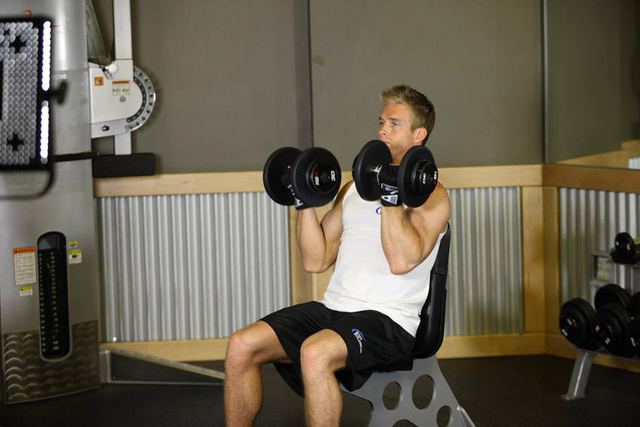
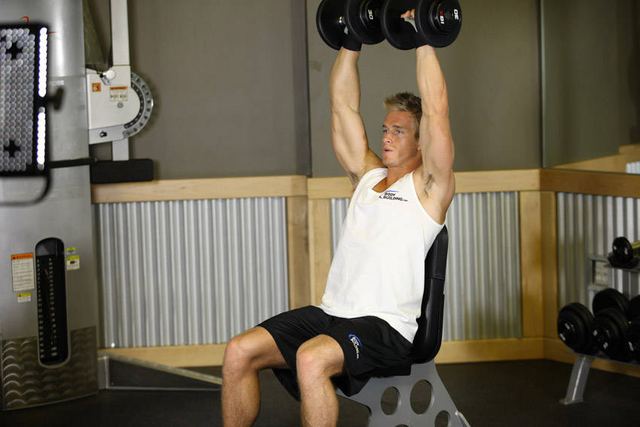
The Arnold press, made famous by Arnold Schwarzenegger, is a shoulder press with a rotation.
Every exercise in our library has an animated demonstration, step-by-step instructions, the muscles it works, benefits, common mistakes, breathing cues and sets & reps for beginners, intermediate and advanced lifters. Filter by muscle, equipment or level to find what you need.
Animated demoThe Arnold press, made famous by Arnold Schwarzenegger, is a shoulder press with a rotation.
 Animated demo
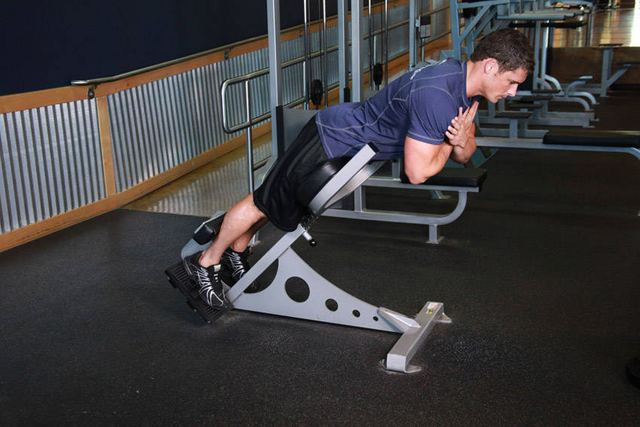
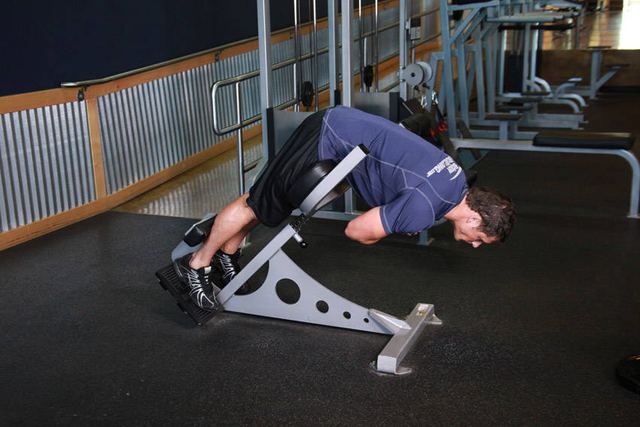
Back extensions are done on a 45-degree or flat hyperextension bench.
 Animated demo
 Animated demo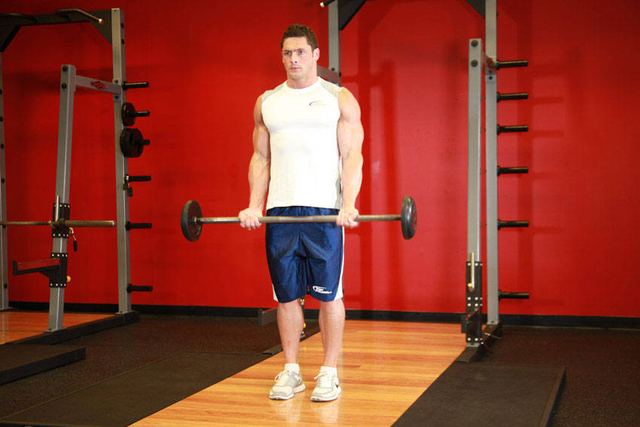
 Animated demo
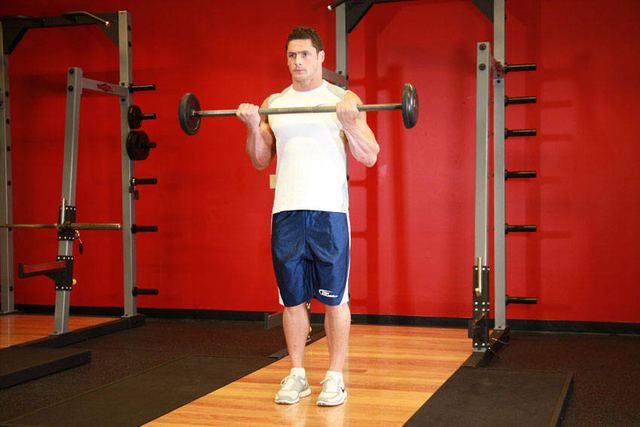
The barbell curl lets you lift more weight than dumbbell curls, which makes it a great biceps mass builder..
 Animated demo
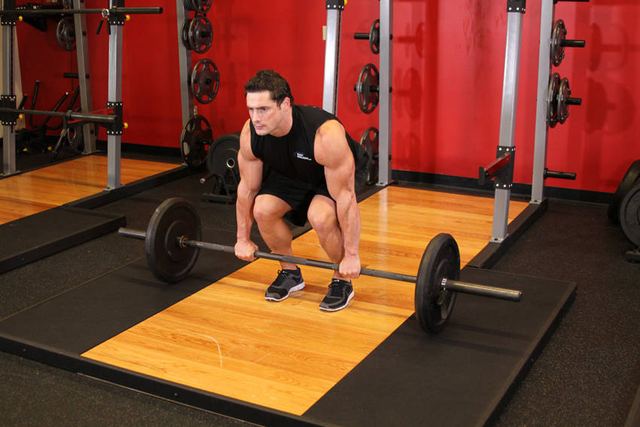
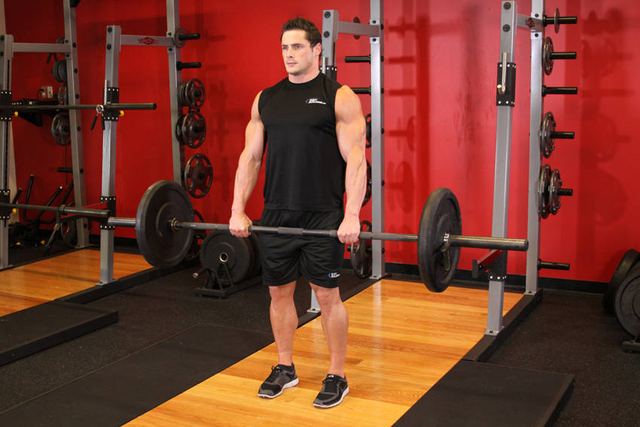
The deadlift means lifting a loaded barbell from the floor until you stand tall.
 Animated demo
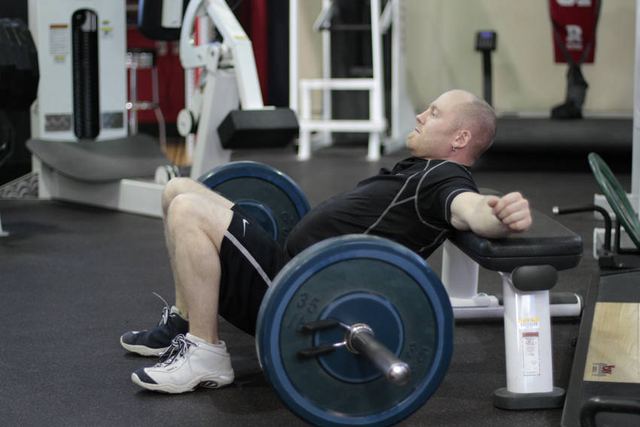
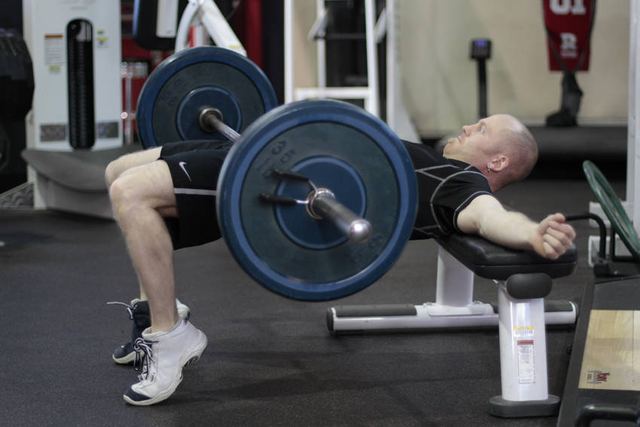
The hip thrust is the number-one glute-building exercise in the gym.
 Animated demo
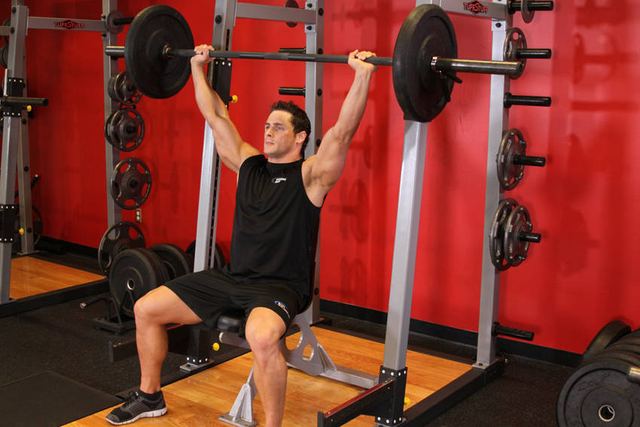
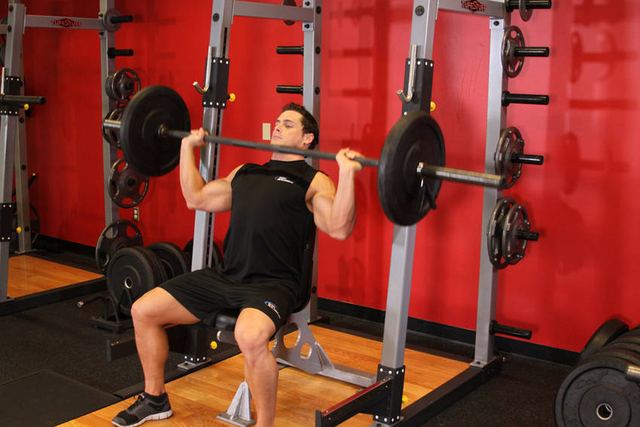
The standing barbell overhead press (military press) is a key strength lift for the shoulders and triceps.
 Animated demo
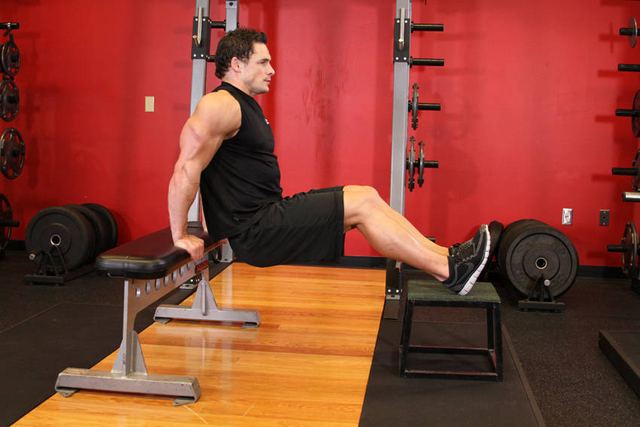
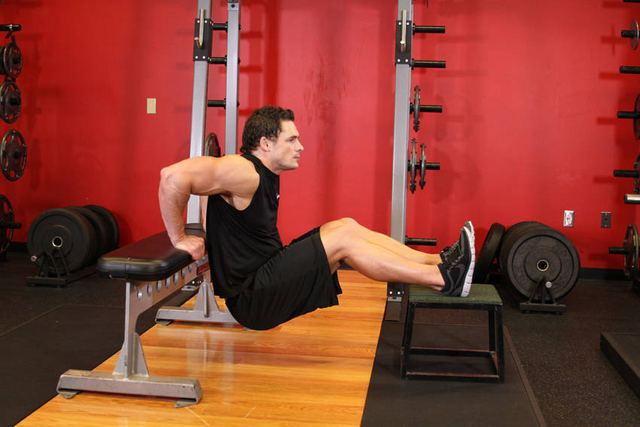
Bench dips use a bench, chair or couch to train the triceps with your body weight.
 Animated demo
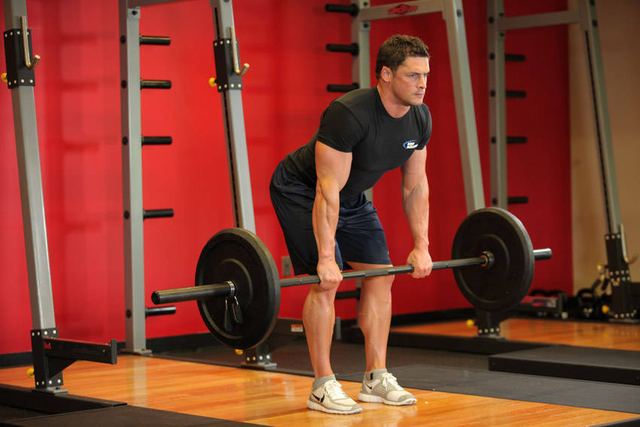
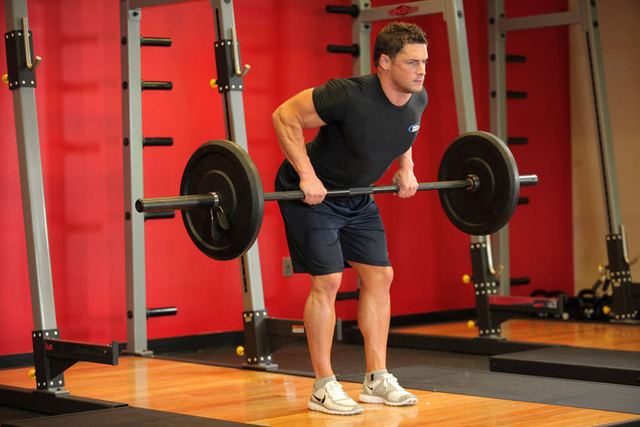
In the bent-over barbell row you hinge forward and pull a barbell to your stomach.
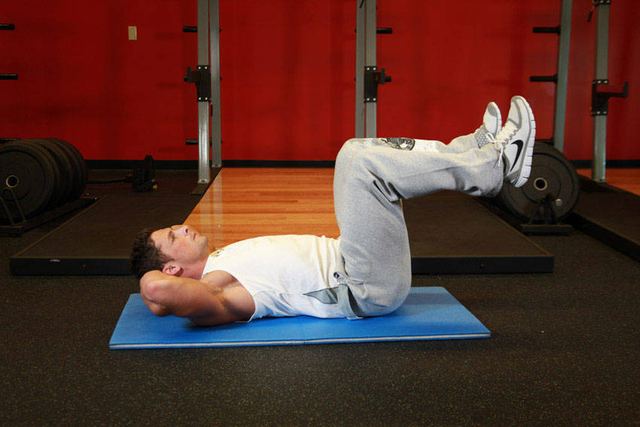
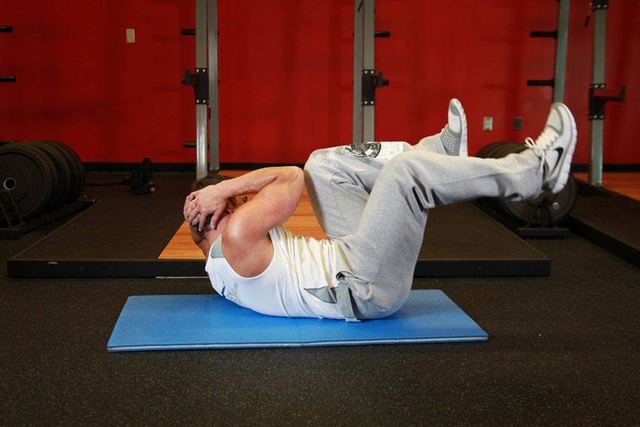 Animated demo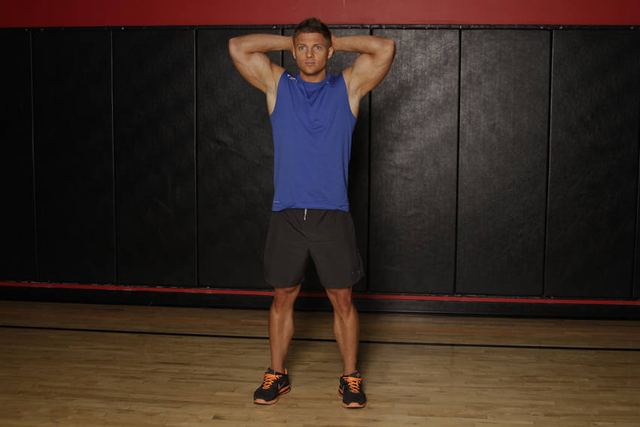
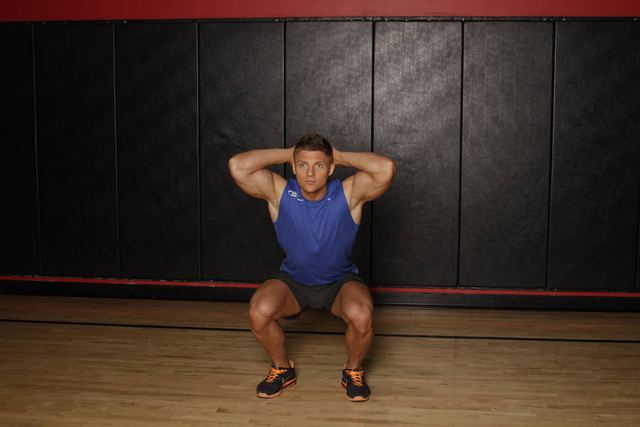 Animated demo
The bodyweight squat (also called the air squat) is the foundation of lower-body training.
 Animated demo
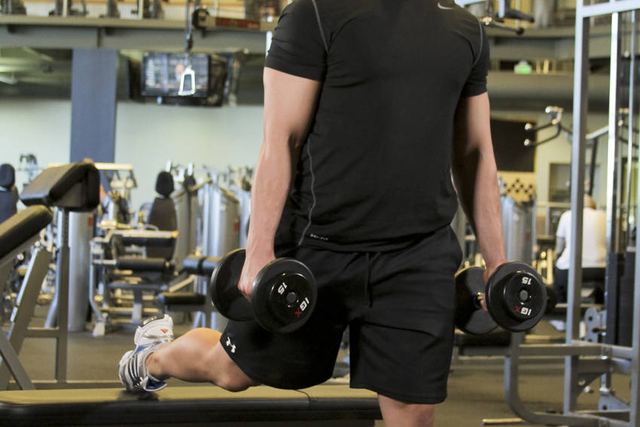
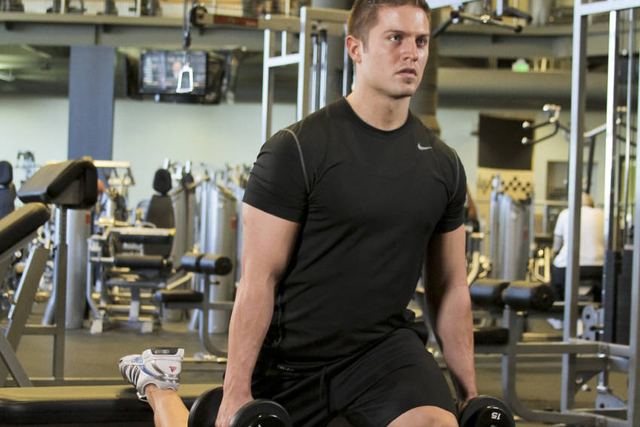
The Bulgarian split squat puts your rear foot on a bench while you squat on the front leg.
 Animated demo
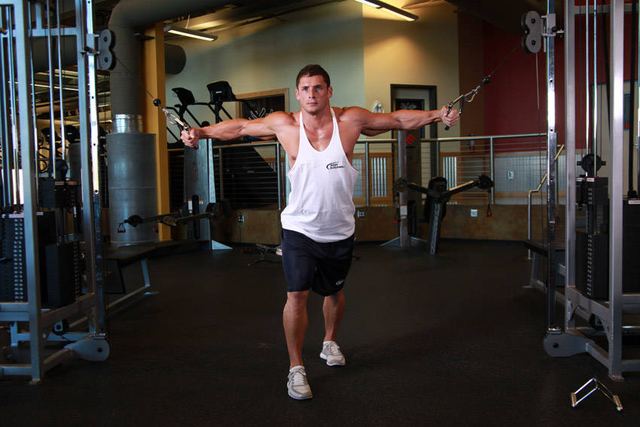
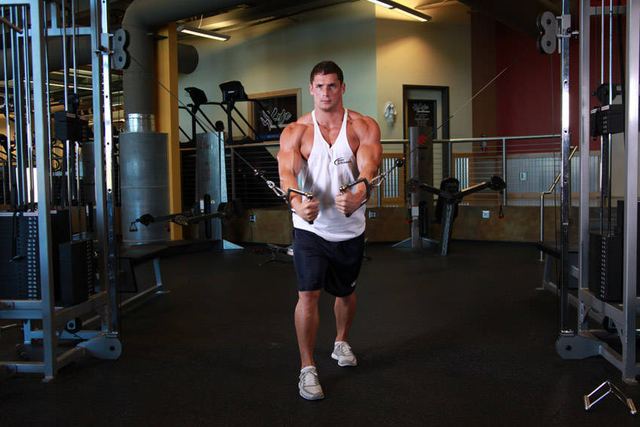
Cable crossovers use two high pulleys to bring the hands together in front of the body.
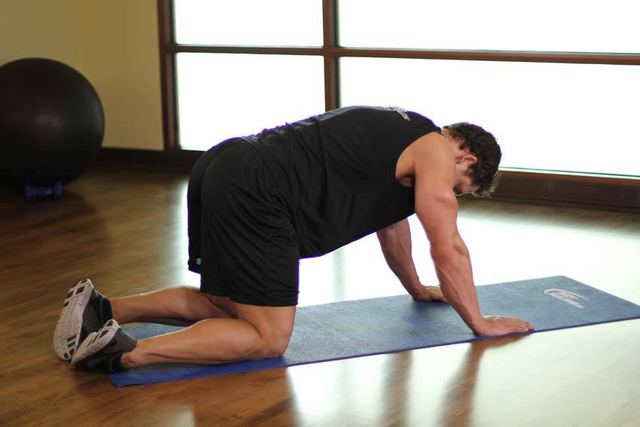
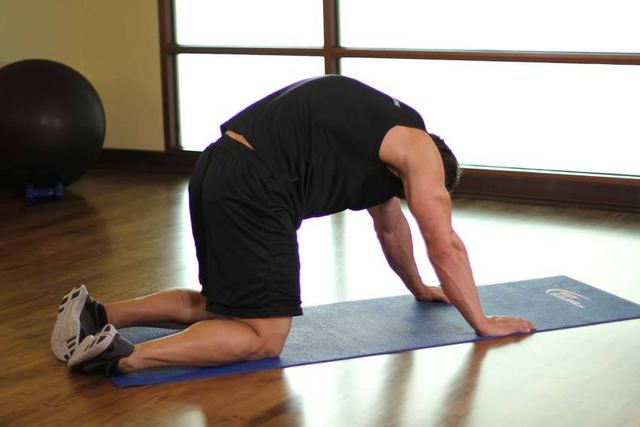 Animated demo
The cat-cow stretch gently moves your spine through flexion and extension on all fours.
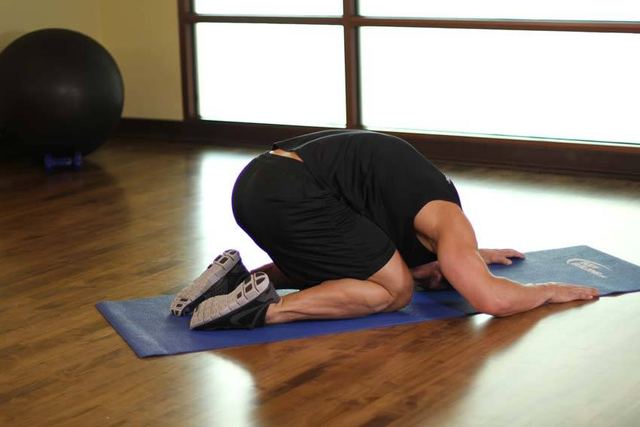
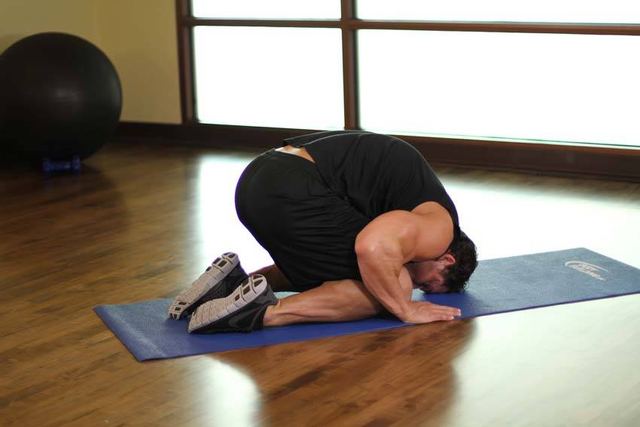 Animated demo
Child's pose is a relaxing stretch for the lower back, hips and shoulders.
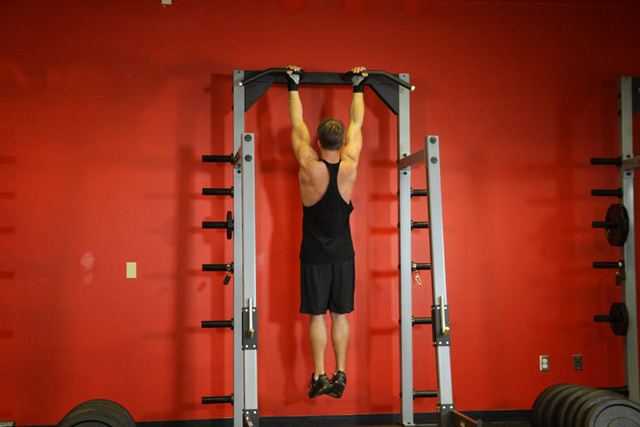
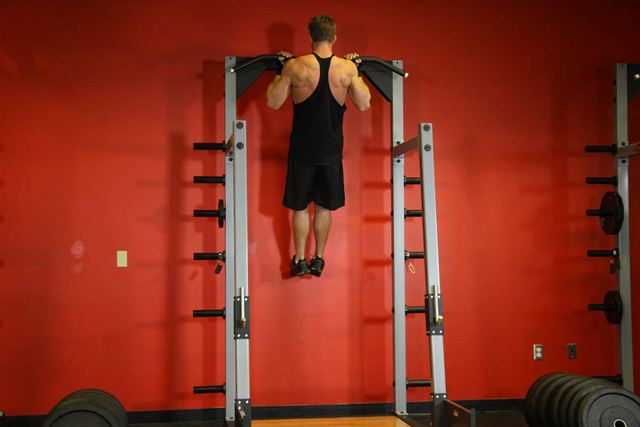 Animated demo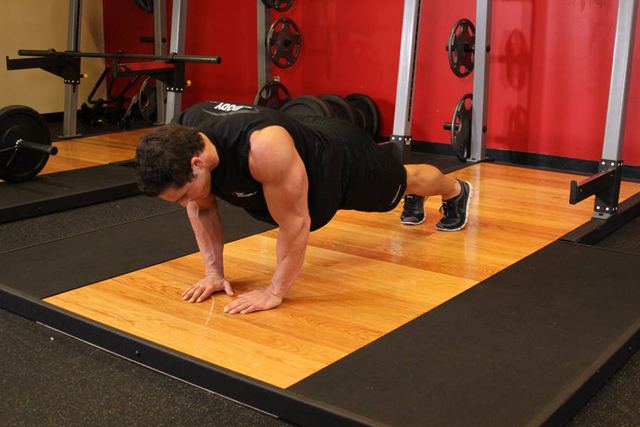
 Animated demo
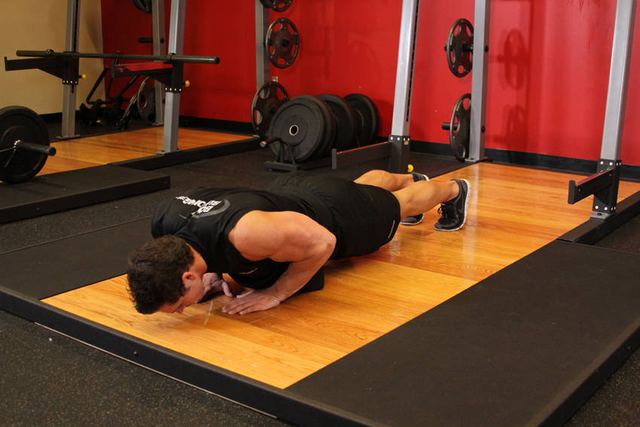
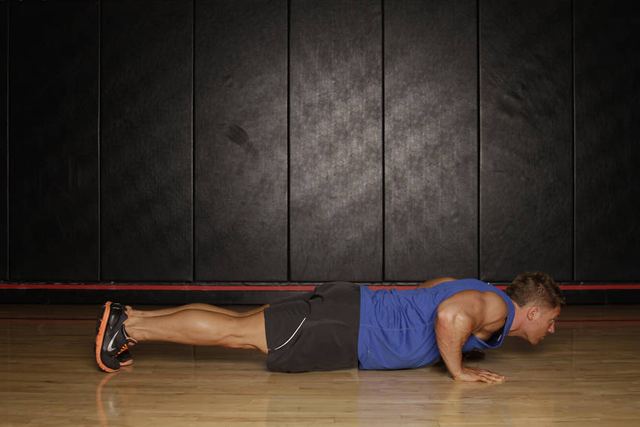
Placing your hands close together under your chest turns the push-up into one of the best bodyweight triceps exercises.
 Animated demo
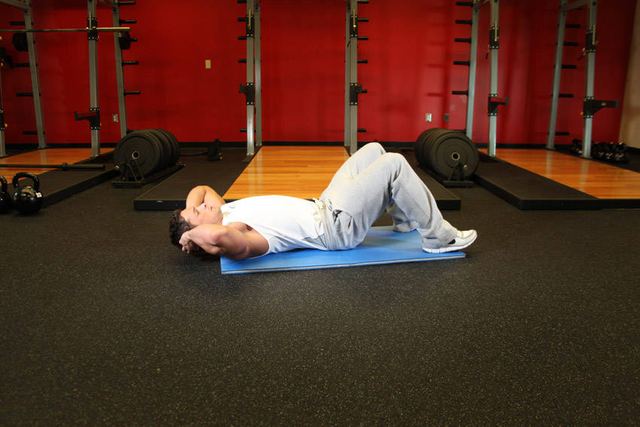
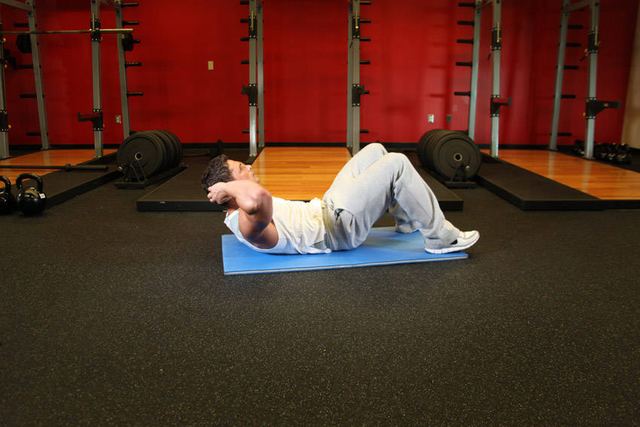
The crunch is a classic ab exercise that targets the rectus abdominis, the six-pack muscle.
 Animated demo
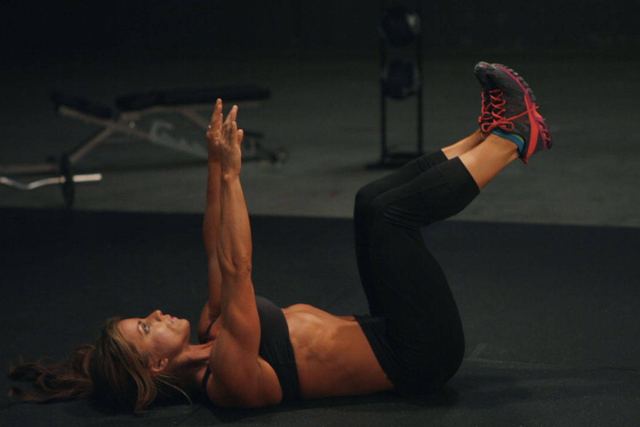
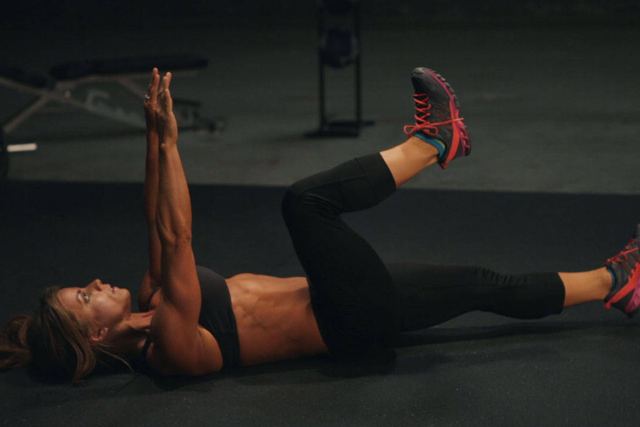
The dead bug is a core stability exercise in which you lie on your back and slowly extend opposite arm and leg while keeping your lower back glued to the floor.
 Animated demo
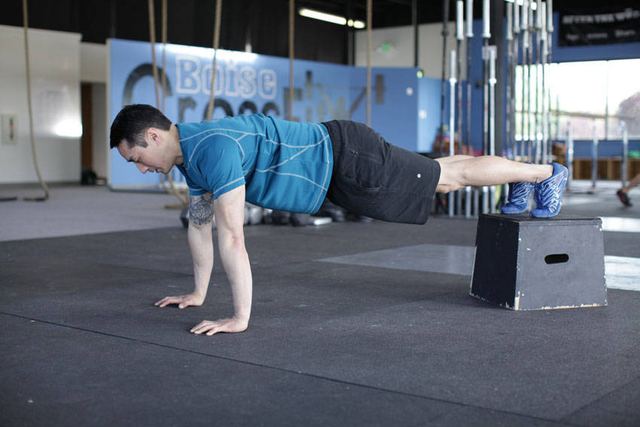
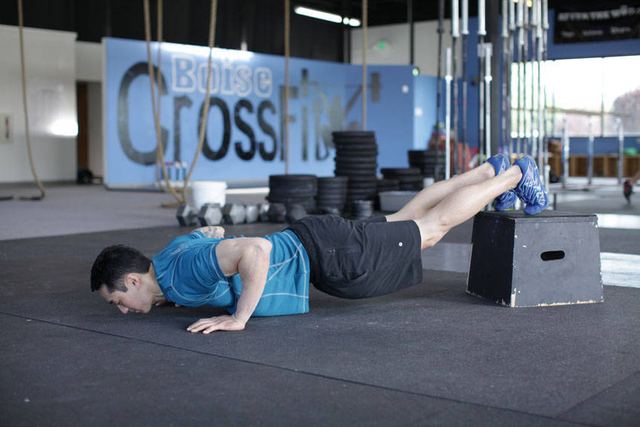
With your feet raised on a bench or step, the decline push-up shifts more of your body weight onto your hands and moves the work toward the upper chest and front shoulders.
 Animated demo
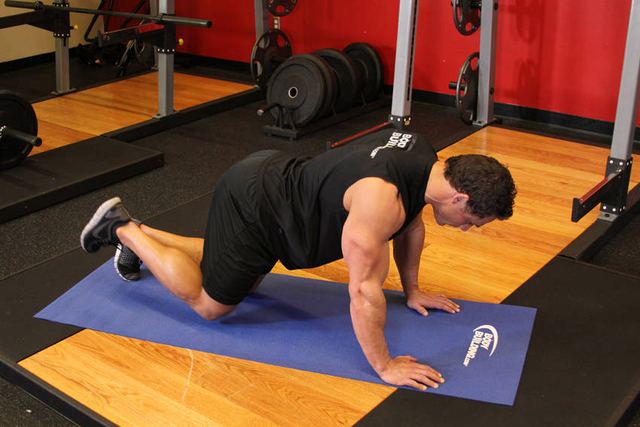
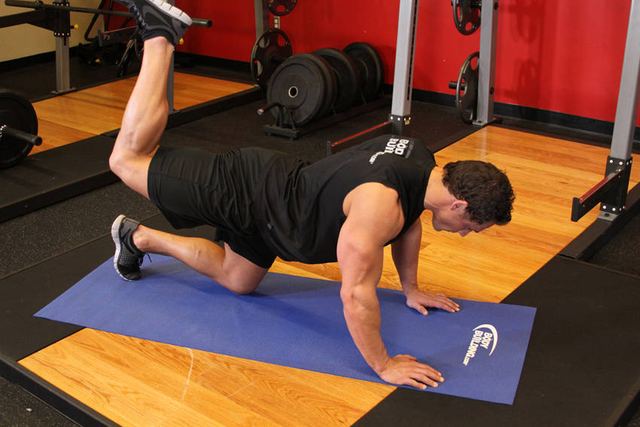
Donkey kicks are done on all fours: you kick one leg back and up while keeping the knee bent.
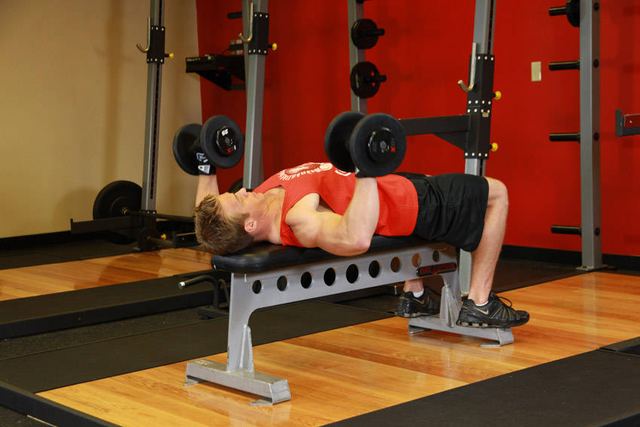
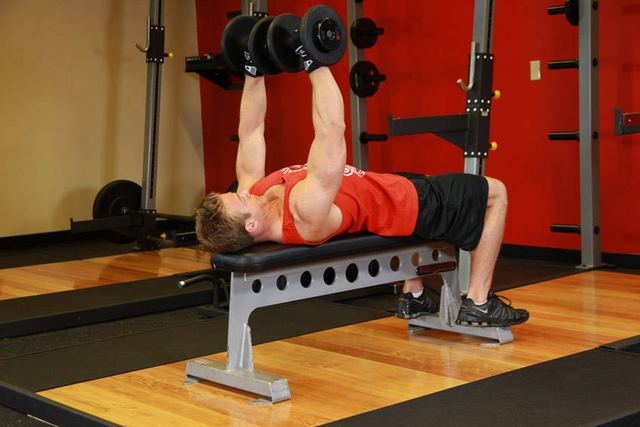 Animated demo
The dumbbell bench press works the same muscles as the barbell version but lets each arm move freely.
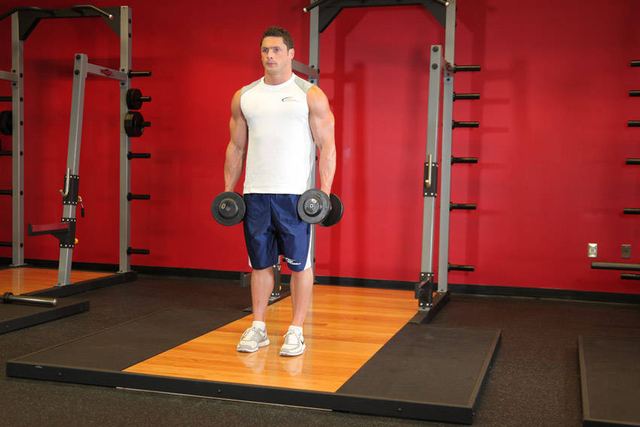
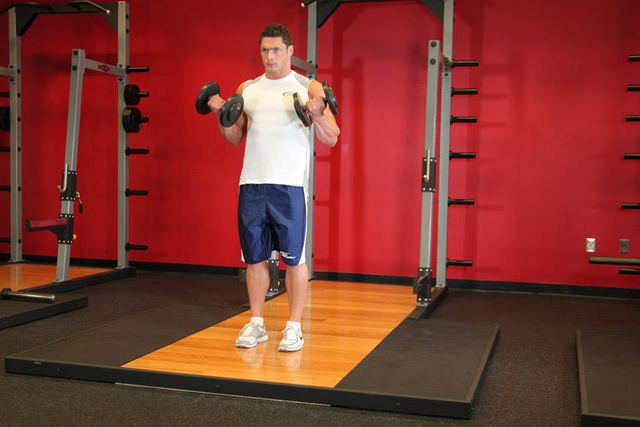 Animated demo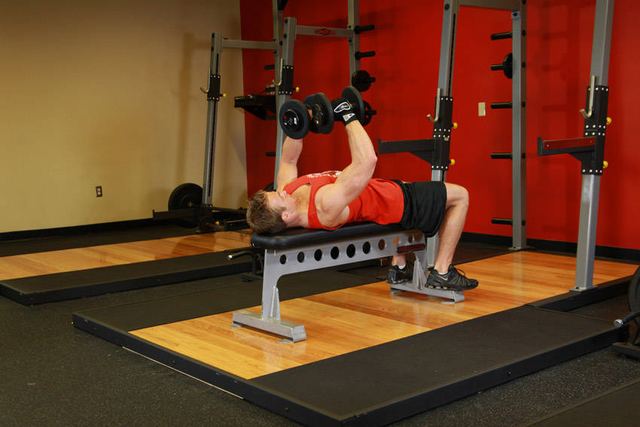
 Animated demo
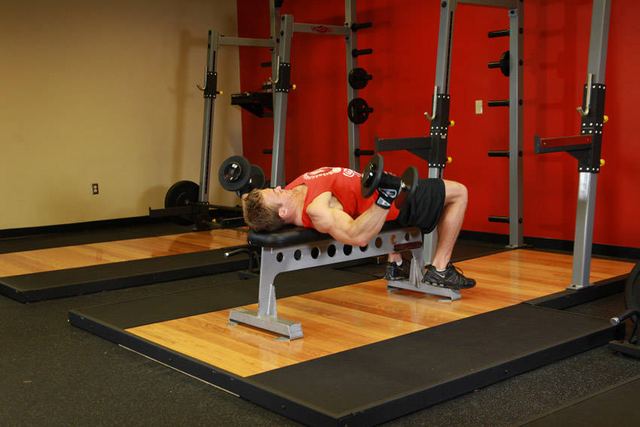
Dumbbell flyes isolate the chest by opening your arms wide in a hugging motion.
 Animated demo
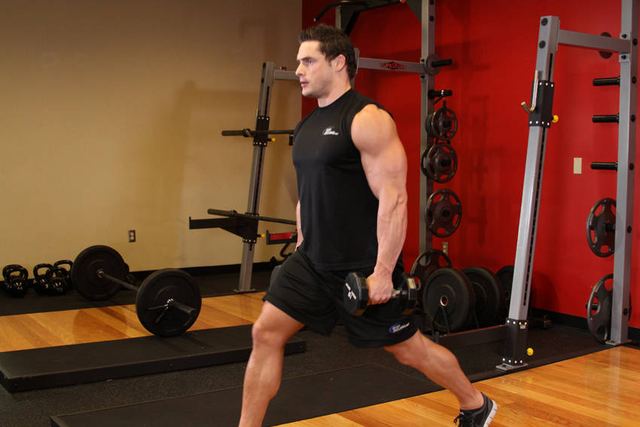
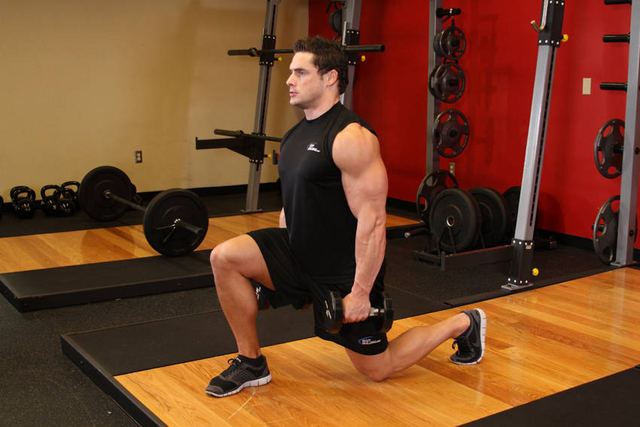
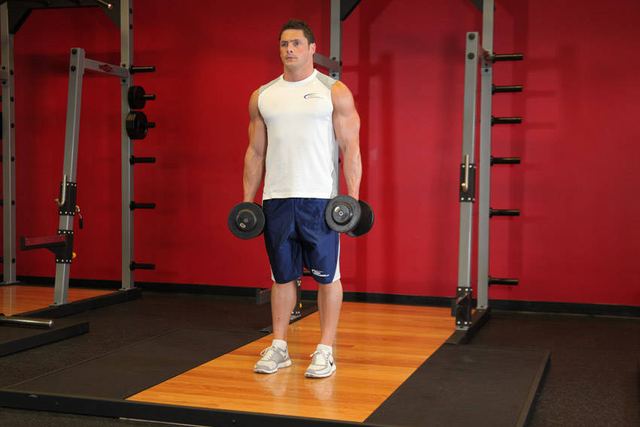
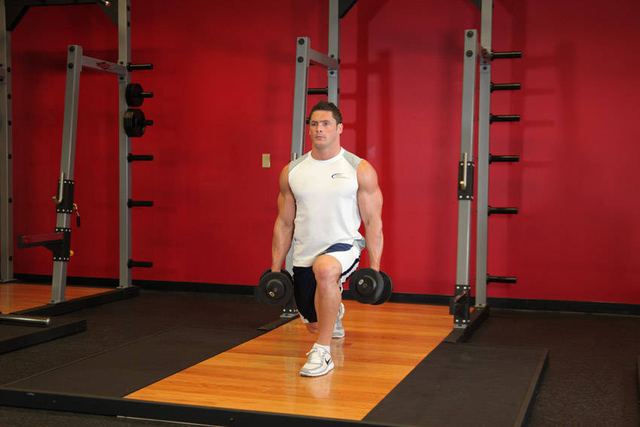
Lunges train one leg at a time, which fixes strength differences between sides and challenges your balance.
 Animated demo
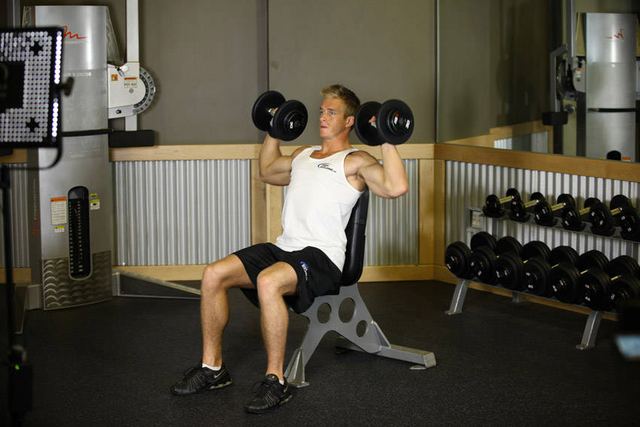
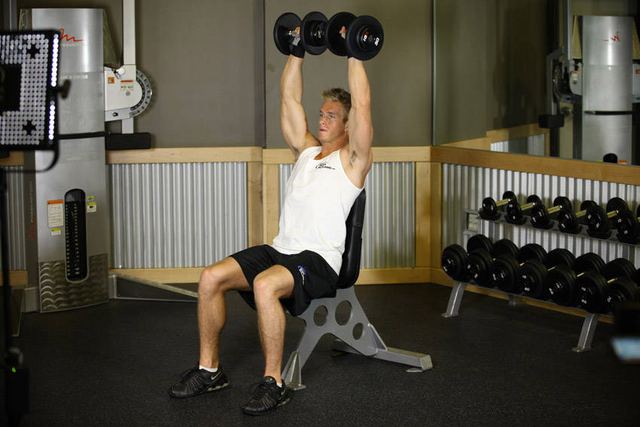
The dumbbell shoulder press builds strong, rounded shoulders by pressing dumbbells overhead, seated or standing.
 Animated demo
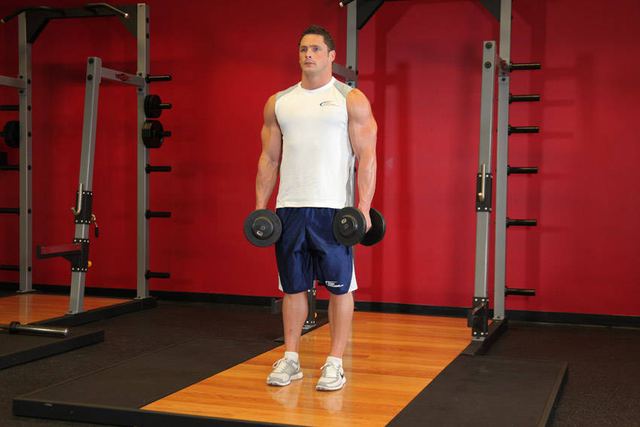
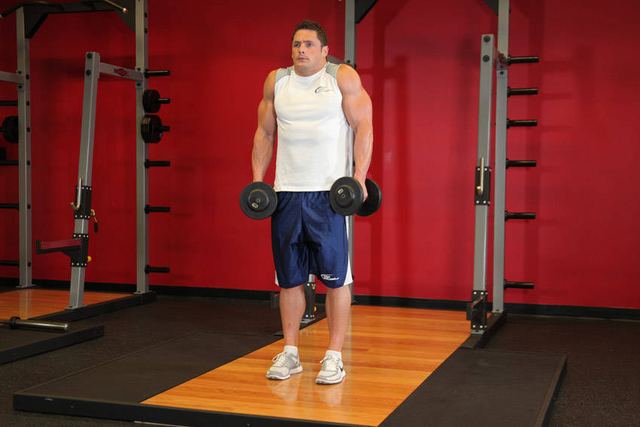
Dumbbell shrugs train the upper trapezius, the muscle that runs from your neck to your shoulders.
 Animated demo
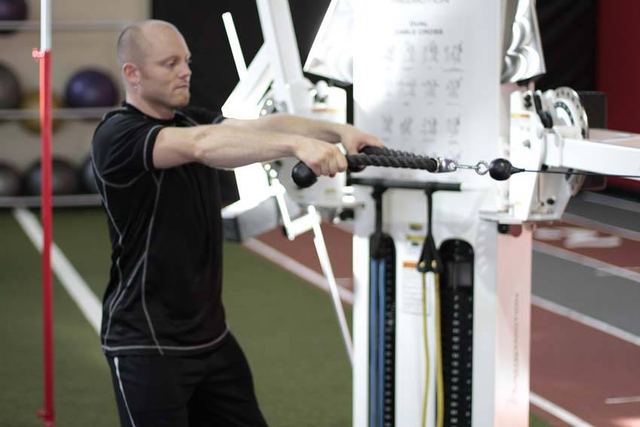
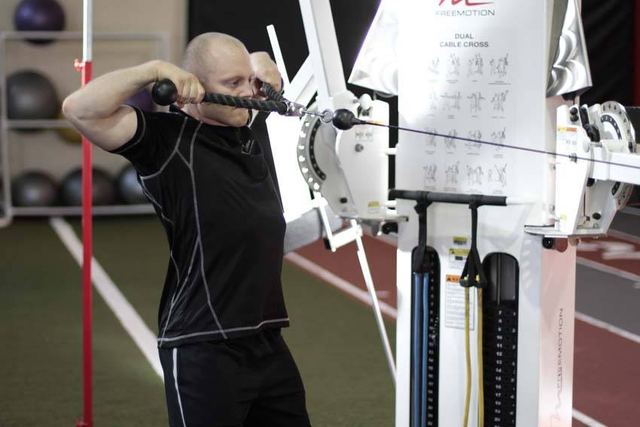
Face pulls use a rope on a cable machine pulled toward your face with the elbows high.
 Animated demo
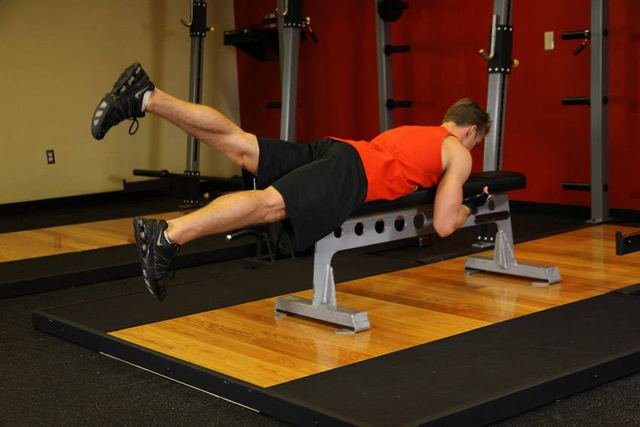
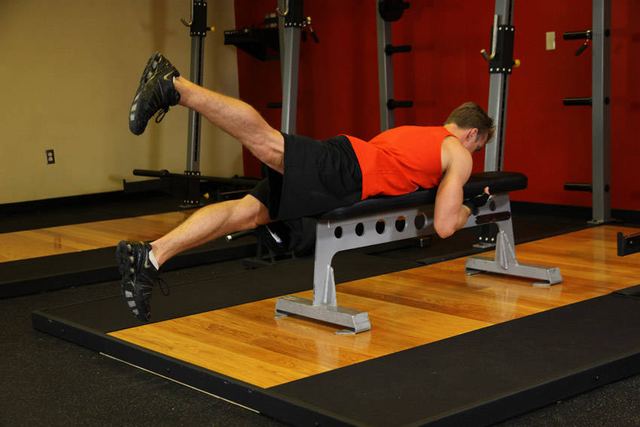
Flutter kicks are done lying on your back with the legs straight, kicking up and down in small fast movements.
 Animated demo
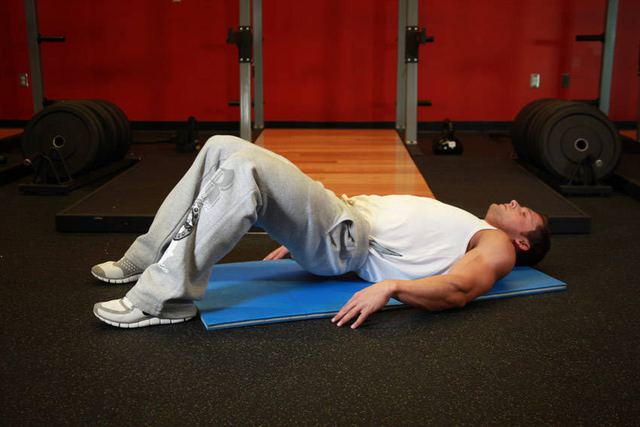
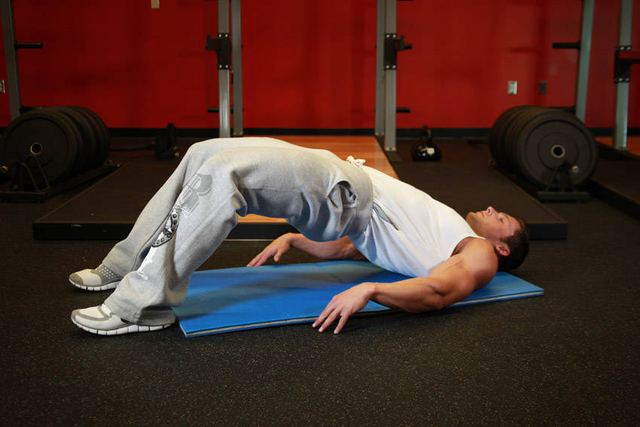
The glute bridge is one of the best exercises for building and activating the glutes.
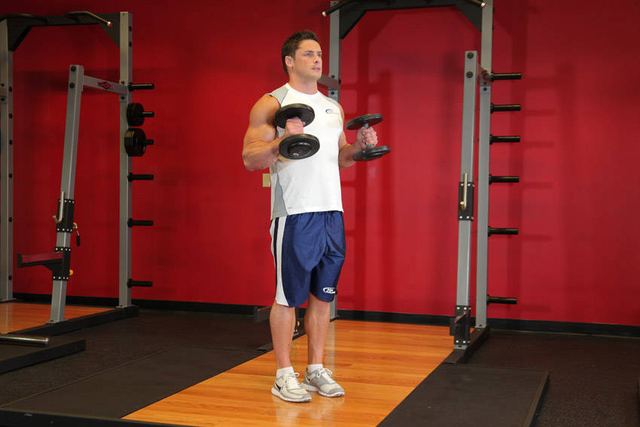
 Animated demo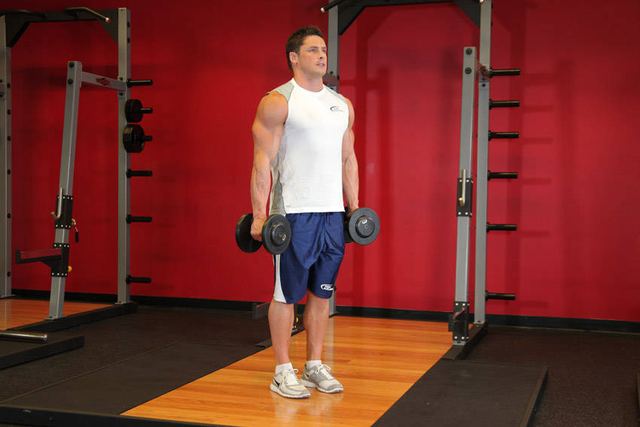
 Animated demo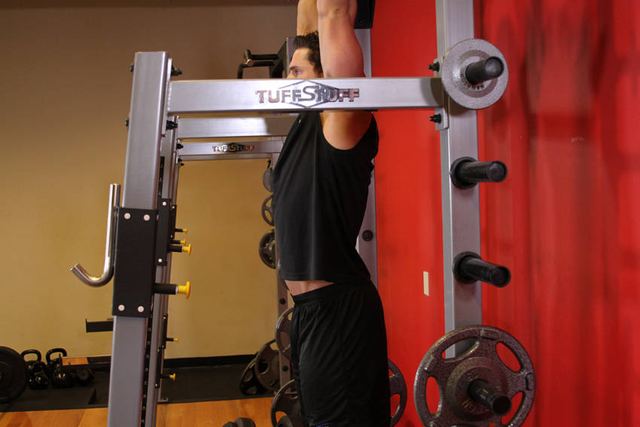
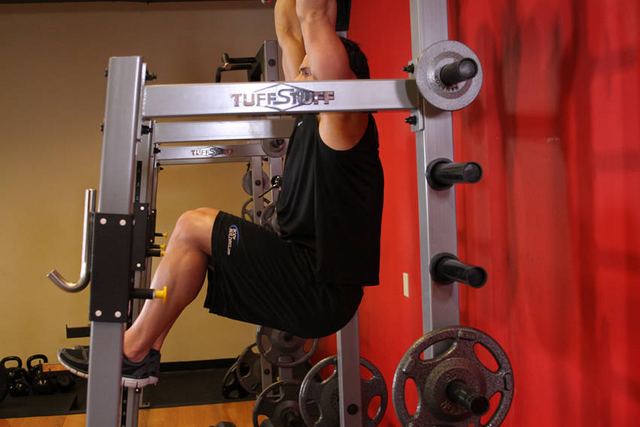 Animated demo
Hanging from a pull-up bar and raising your legs is one of the toughest ab exercises.
 Animated demo
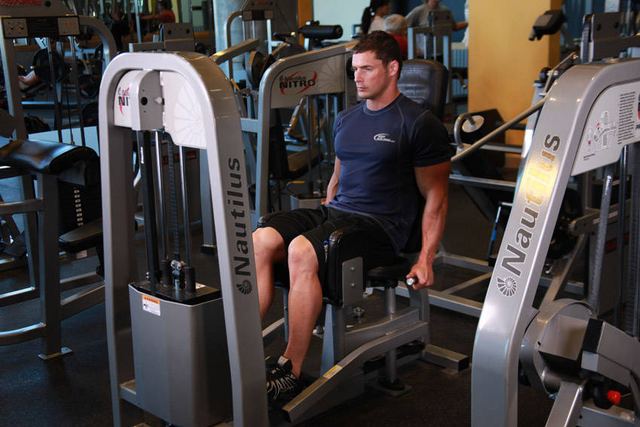
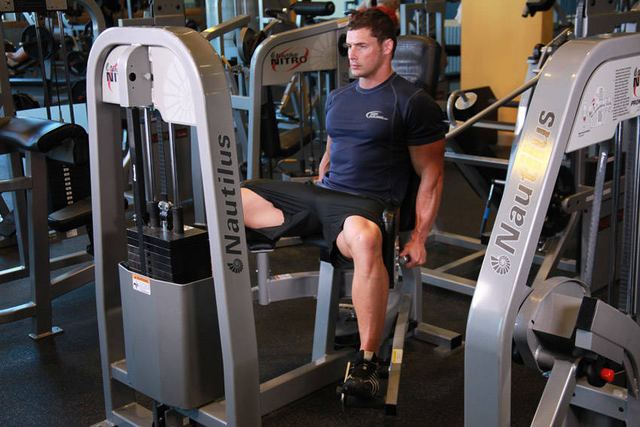
The hip abduction machine trains the outer glutes (glute medius and minimus) by pushing your knees apart against resistance.
 Animated demo
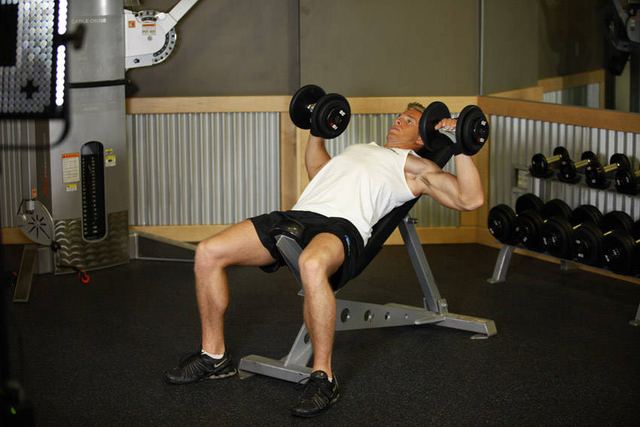
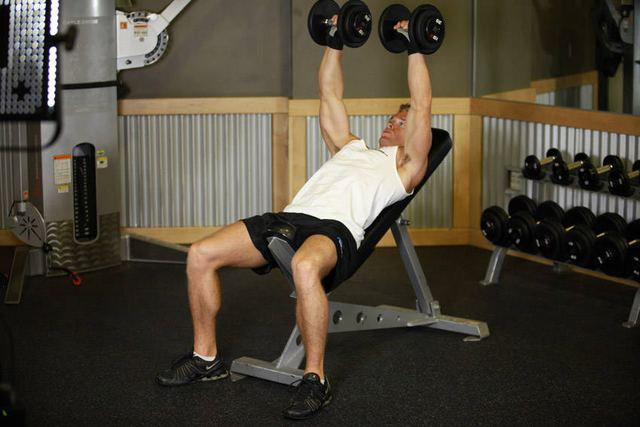
Pressing dumbbells on a bench set to 30–45 degrees shifts the work to the upper chest and front shoulders.
 Animated demo
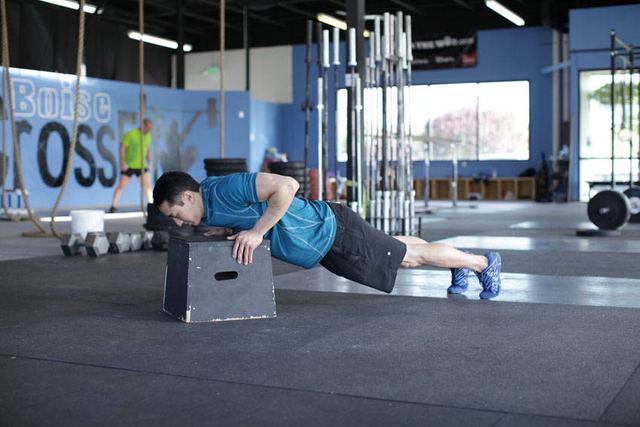
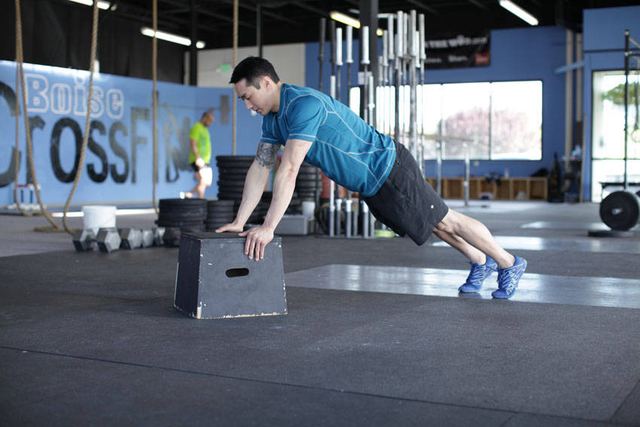
Incline push-ups put your hands on a bench, box, sturdy chair or kitchen counter so you lift a smaller part of your body weight.
 Animated demo
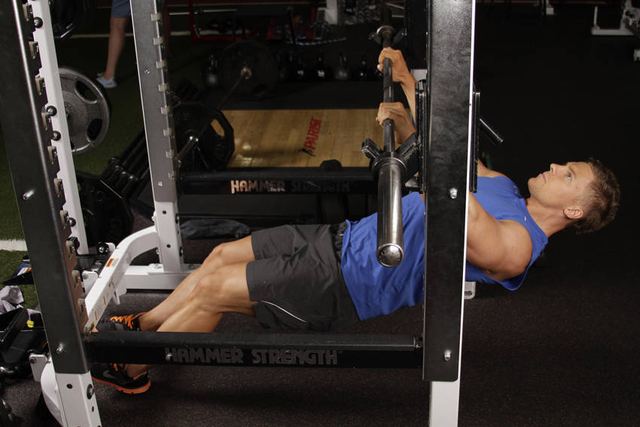
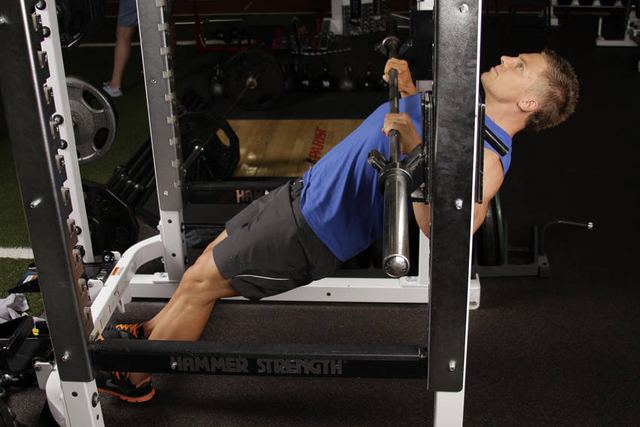
Inverted rows (Australian pull-ups) are done hanging under a bar or a sturdy table with your heels on the floor.
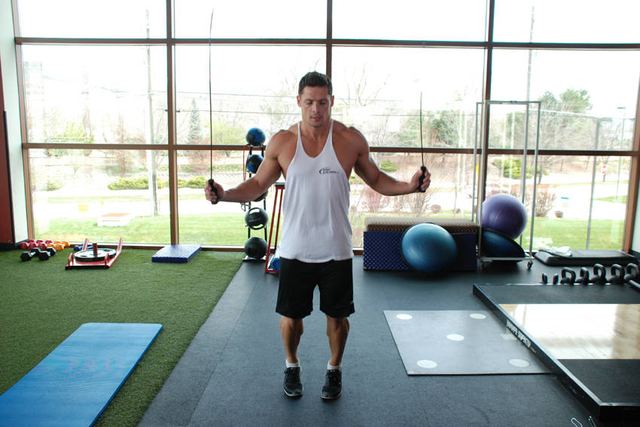
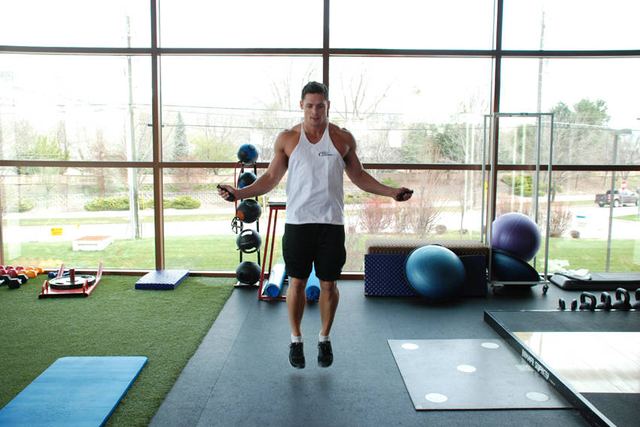 Animated demo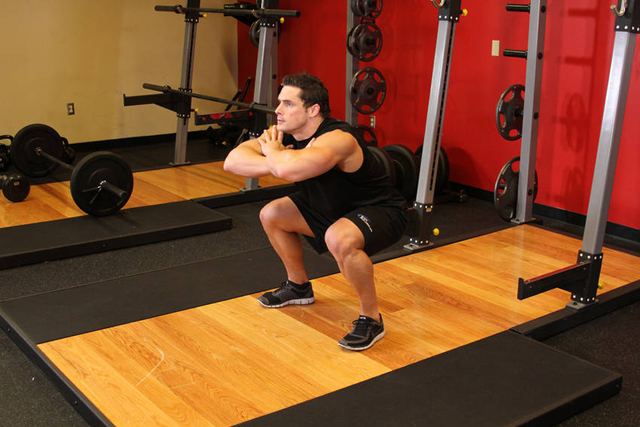
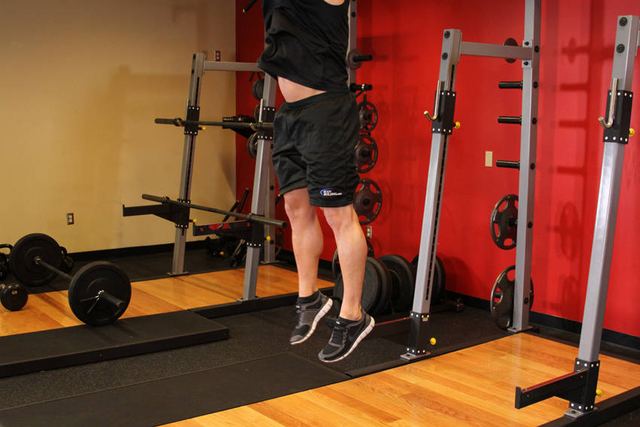 Animated demo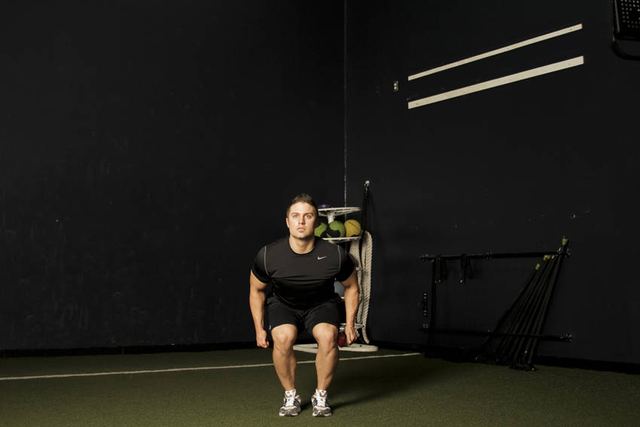
 Animated demo
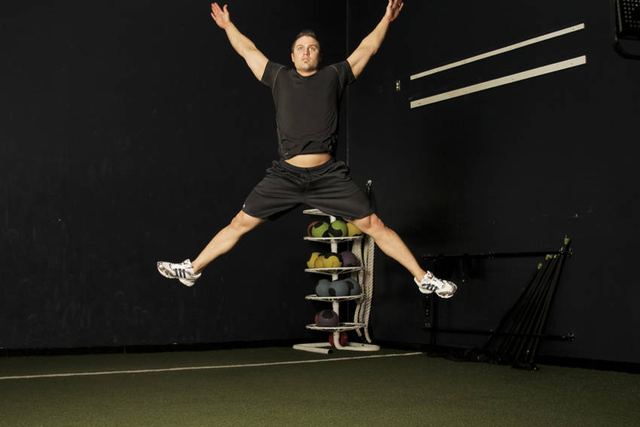
Jumping jacks and their bigger cousin, the star jump, are classic full-body cardio moves.
 Animated demo
 Animated demo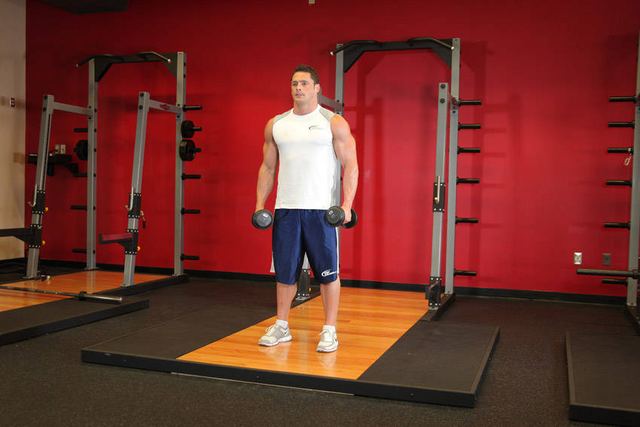
 Animated demo
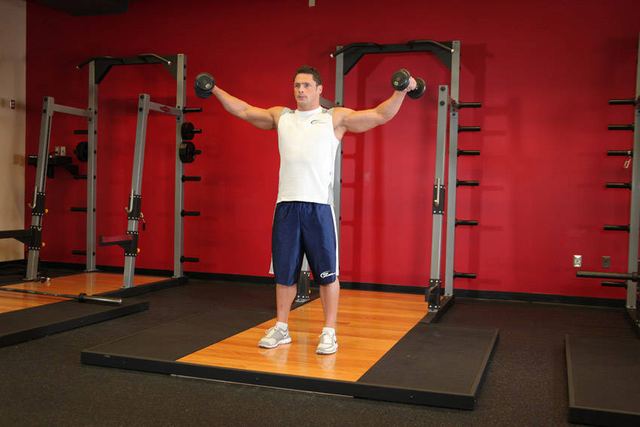
The lateral raise isolates the side delts, the muscles that make your shoulders look wider.
 Animated demo
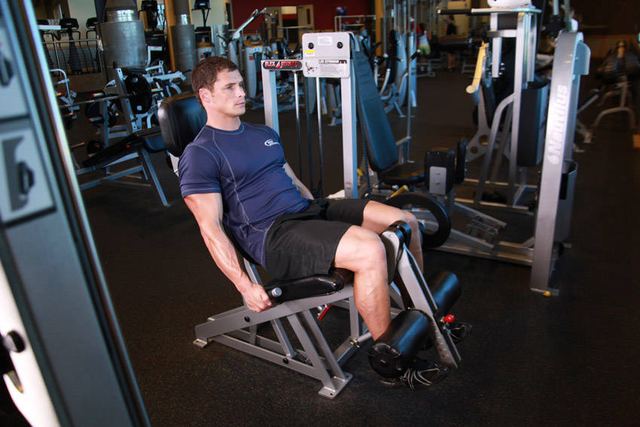
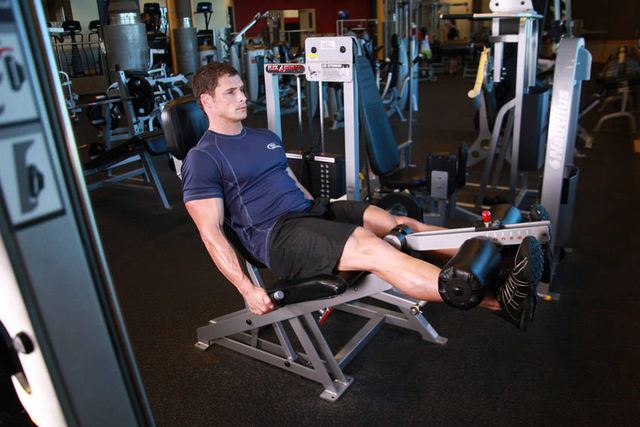
The leg extension machine isolates the quadriceps at the front of the thigh.
 Animated demo
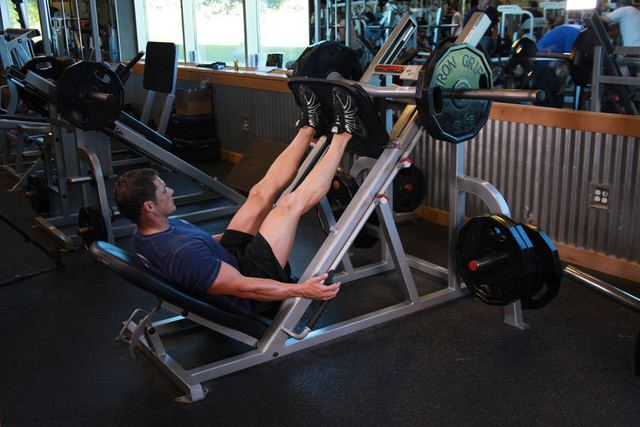
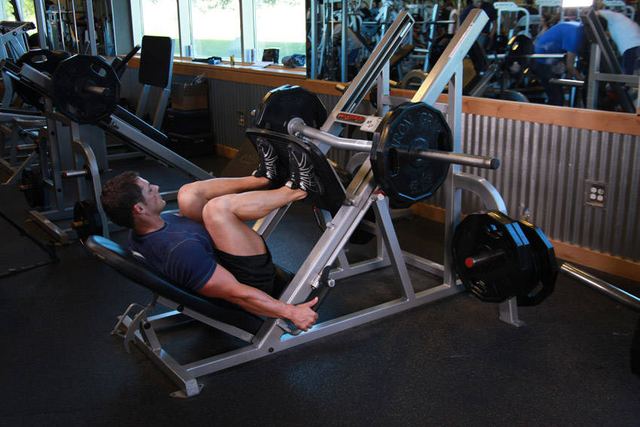
The leg press lets you load the quads and glutes heavily while your back is supported.
 Animated demo
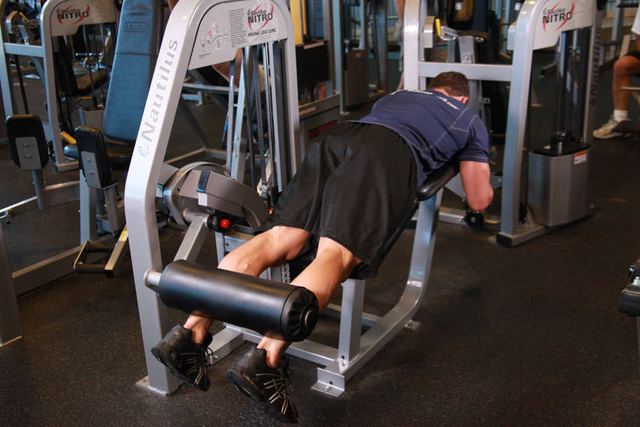
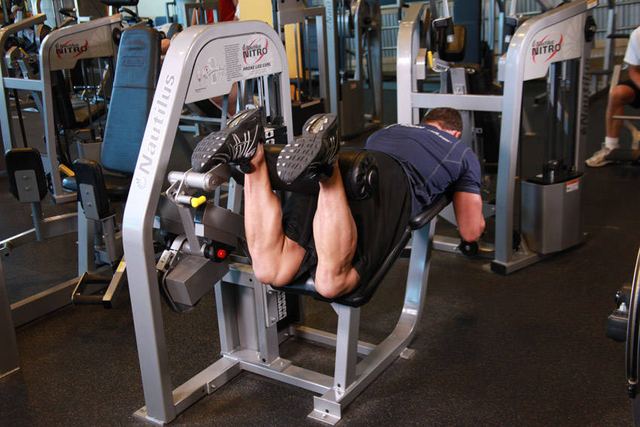
Lying leg curls isolate the hamstrings by curling the pad toward your glutes.
 Animated demo
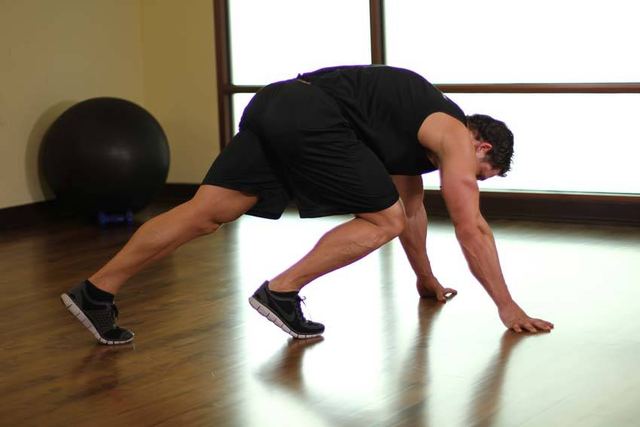
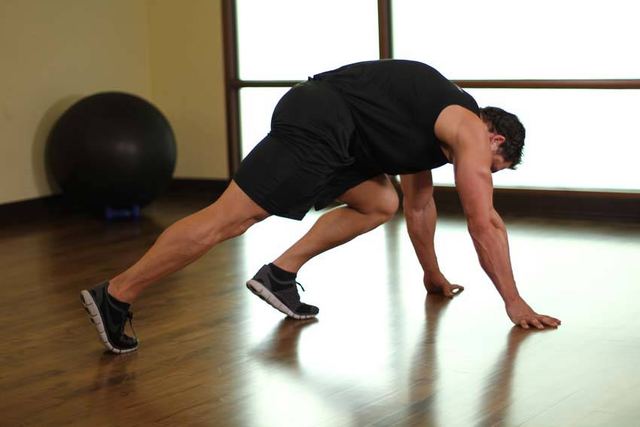
Mountain climbers are a fast-paced exercise in a push-up position where you drive your knees toward your chest one after another.
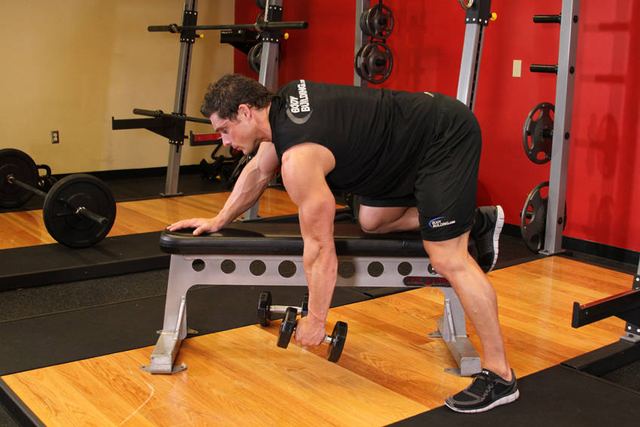
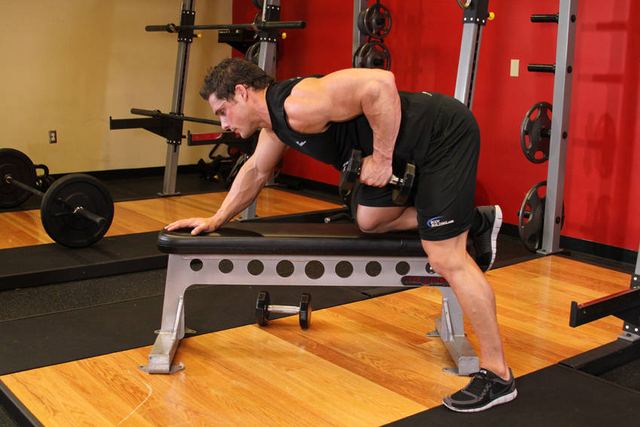 Animated demo
The one-arm dumbbell row is done with one hand and knee supported on a bench (or a chair at home).
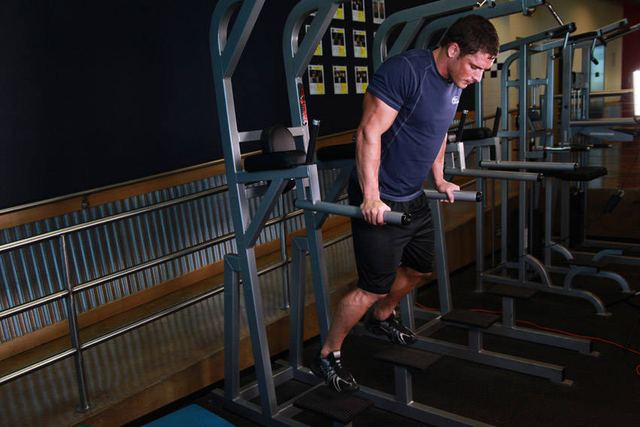
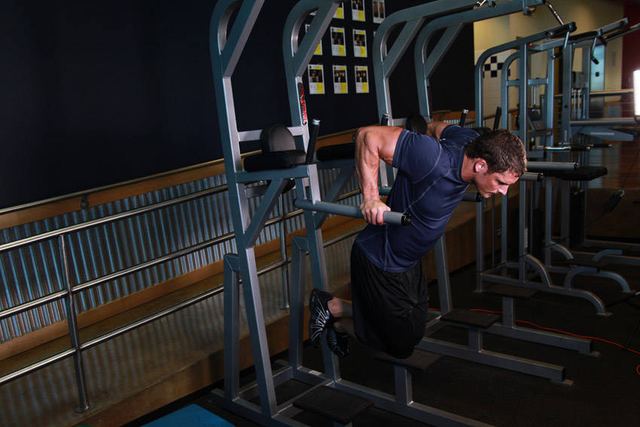 Animated demo
Dips are a powerful bodyweight exercise for the chest, triceps and shoulders.
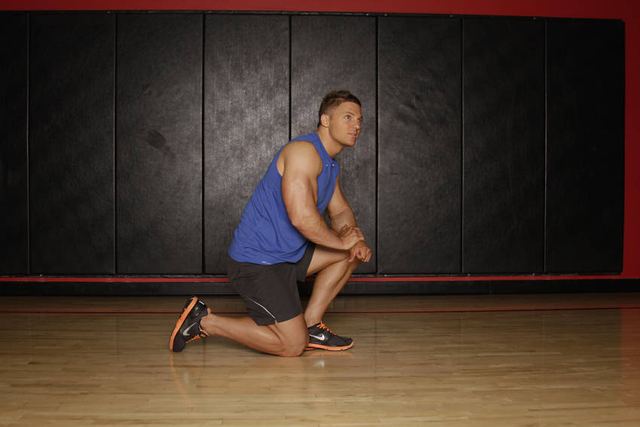
 Animated demo
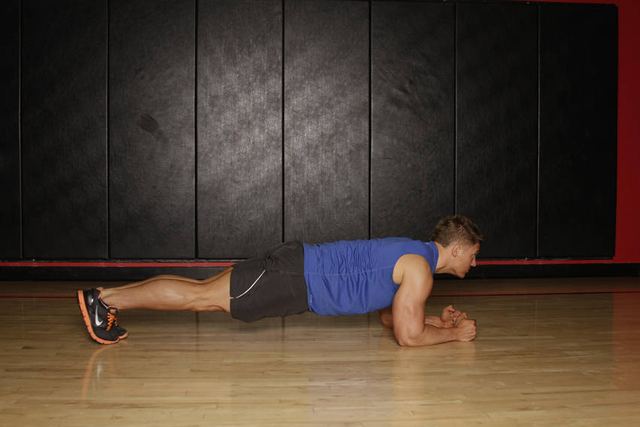
The plank is a static core exercise in which you hold your body straight on your forearms and toes.
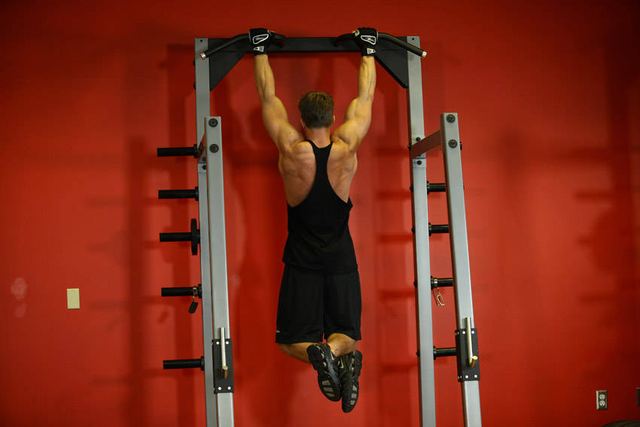
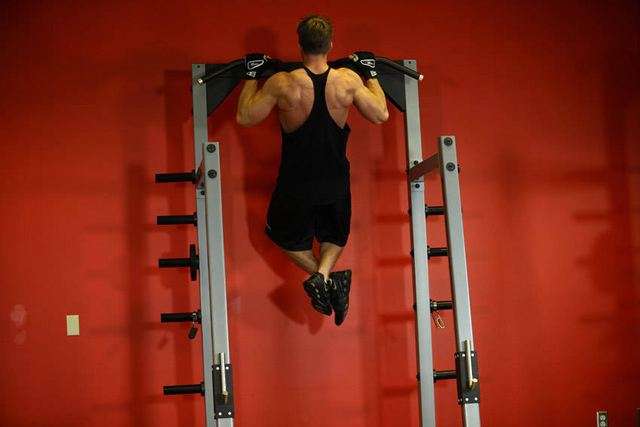 Animated demo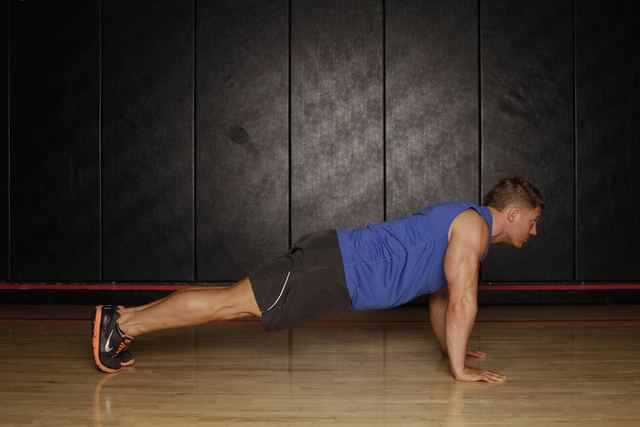
 Animated demo
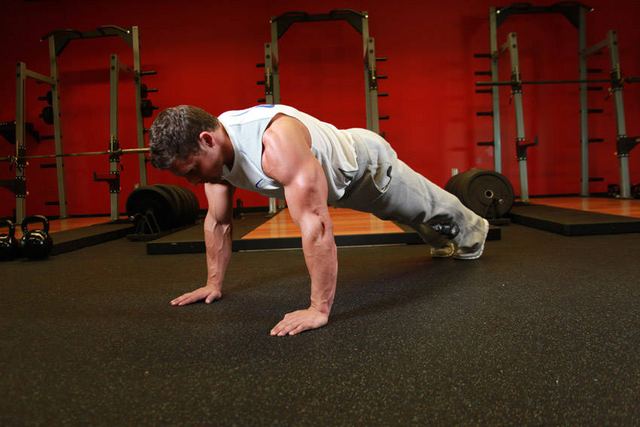
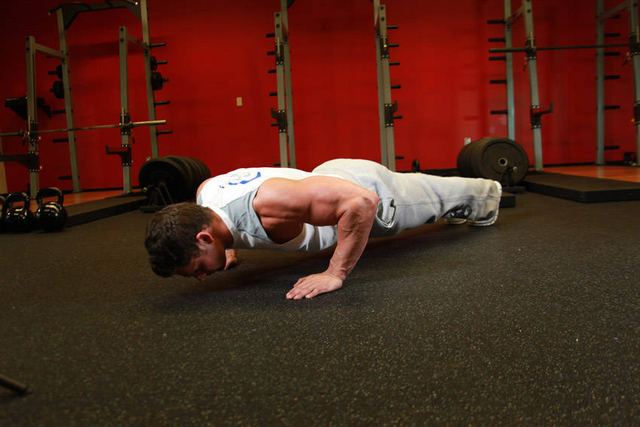
This exercise combines a push-up with a rotation into a side plank.
 Animated demo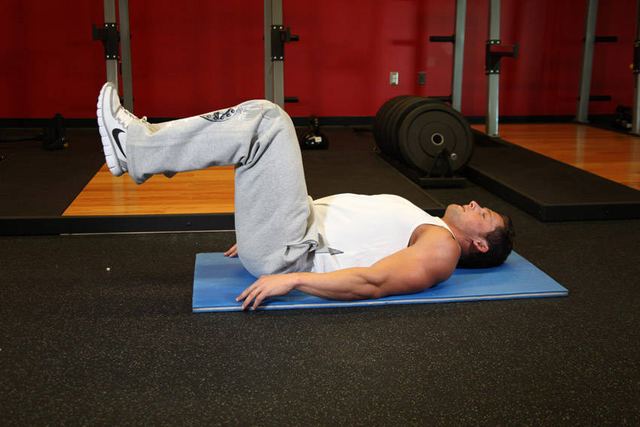
 Animated demo
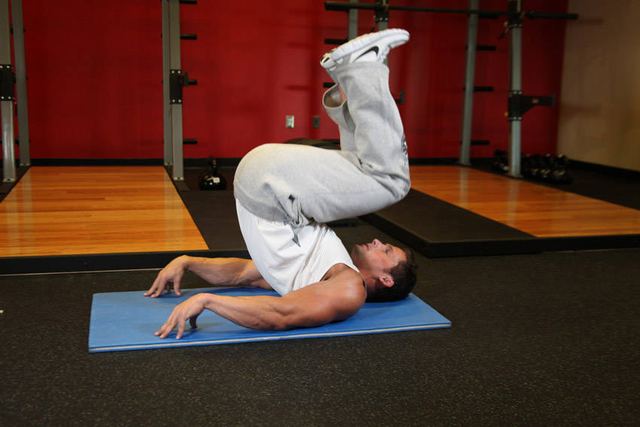
The reverse crunch curls your hips up toward your ribs instead of lifting your shoulders.
 Animated demo
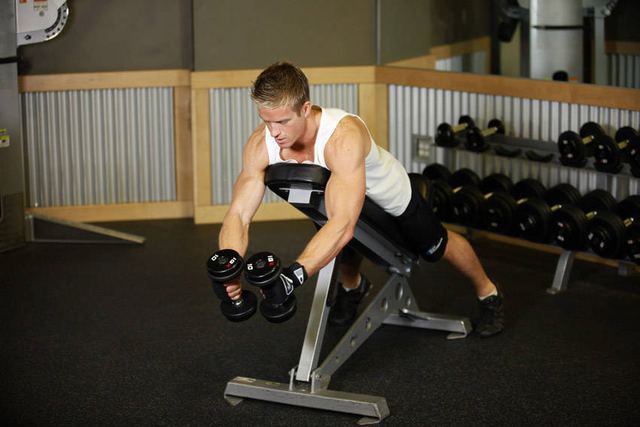
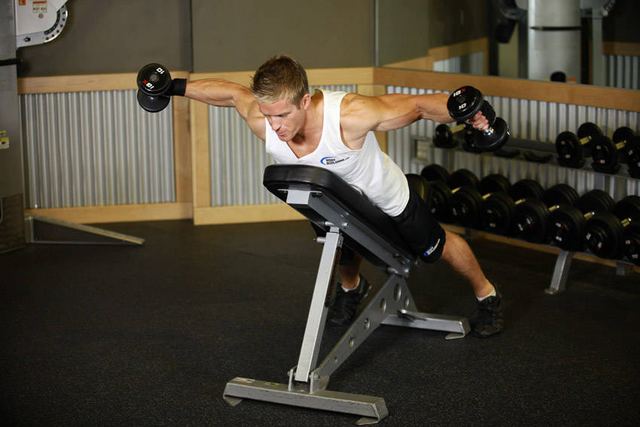
Reverse flyes train the rear deltoids and upper back by opening the arms out to the sides while bent over.
 Animated demo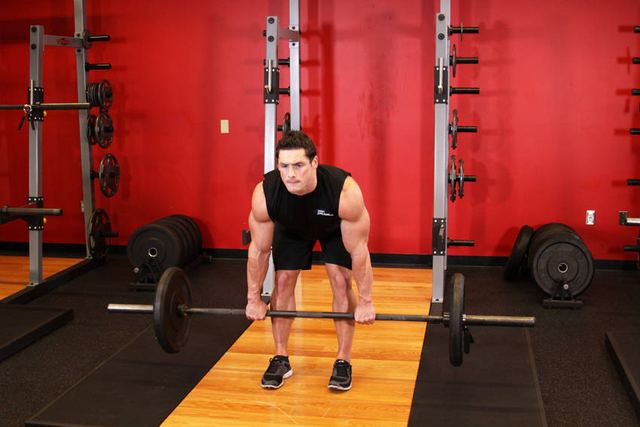
 Animated demo
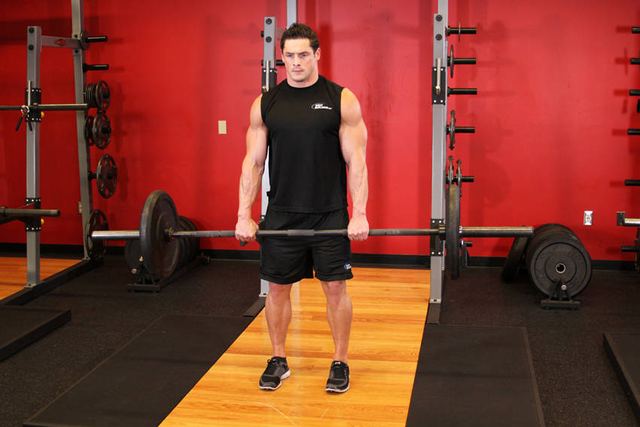
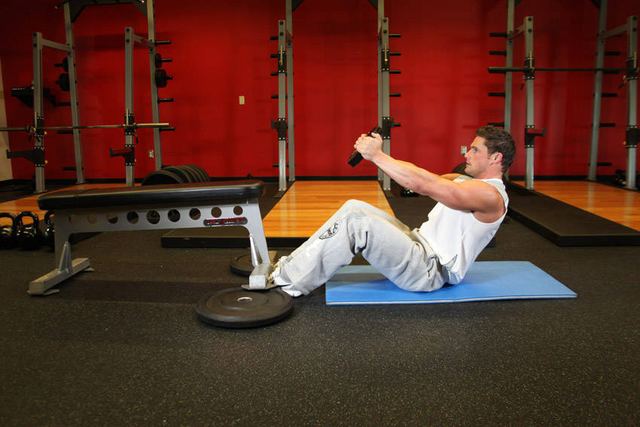
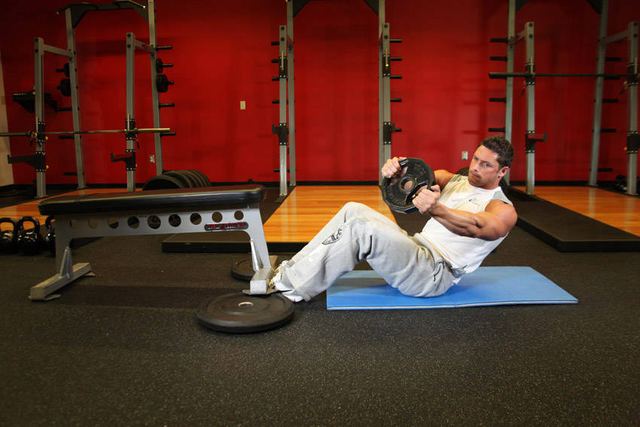
The Romanian deadlift (RDL) is a hip-hinge exercise that focuses on the hamstrings and glutes.
 Animated demo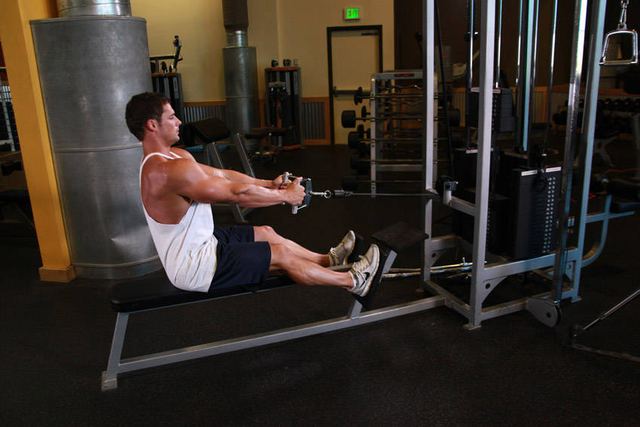
 Animated demo
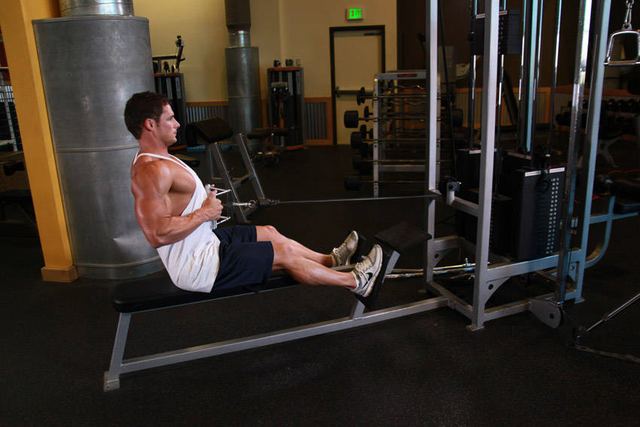
The seated cable row trains the middle back, lats and rear shoulders by pulling a handle toward your stomach.
 Animated demo
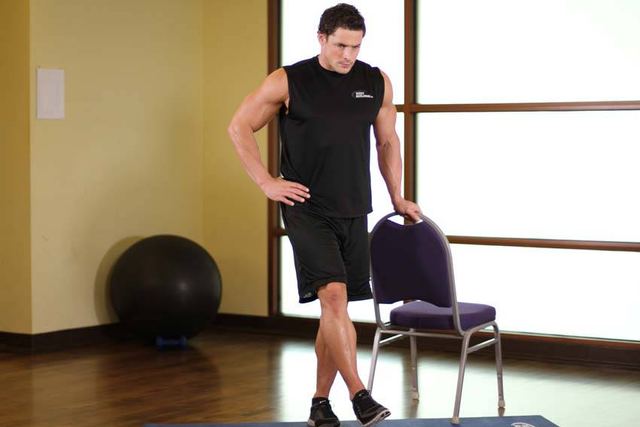
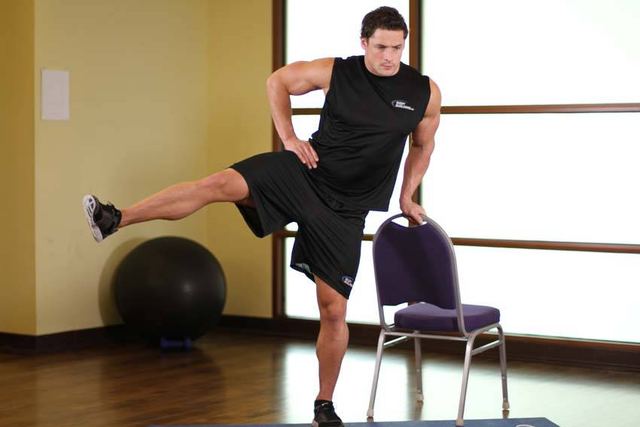
Side-lying leg raises target the glute medius and the outer hips.
 Animated demo
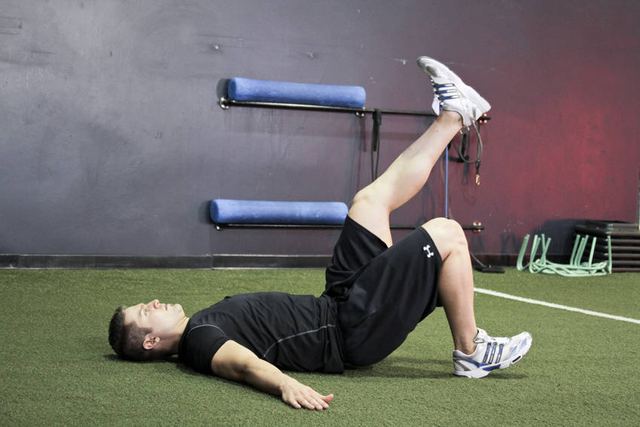
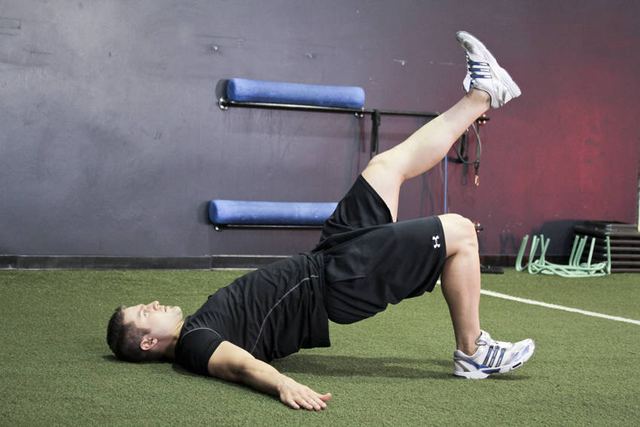
The single-leg glute bridge doubles the load on each glute without weights.
 Animated demo
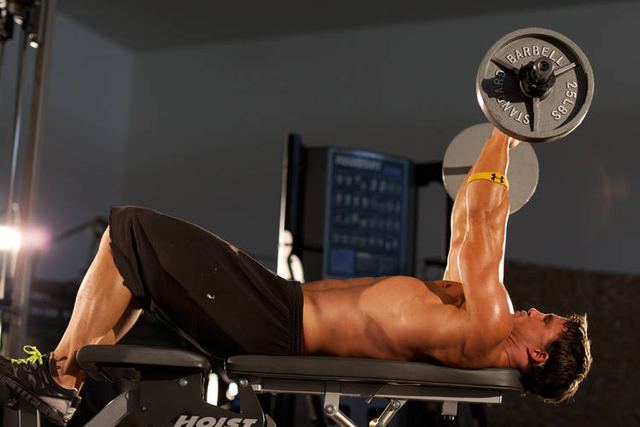
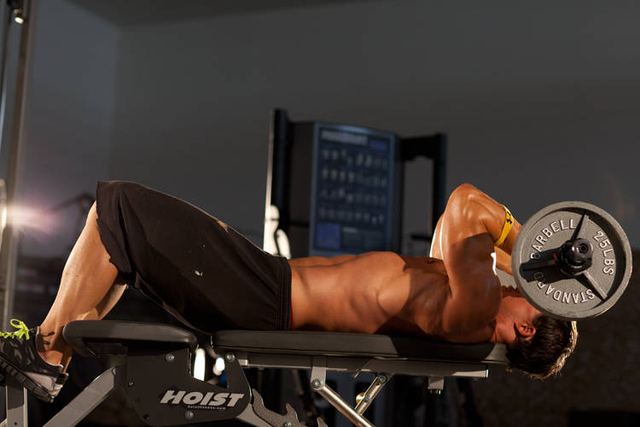
Skull crushers (lying triceps extensions) are done lying on a bench, lowering an EZ bar toward your forehead and extending the arms.
 Animated demo
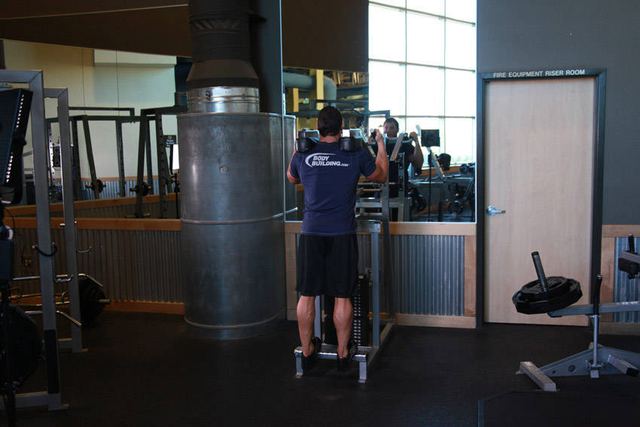
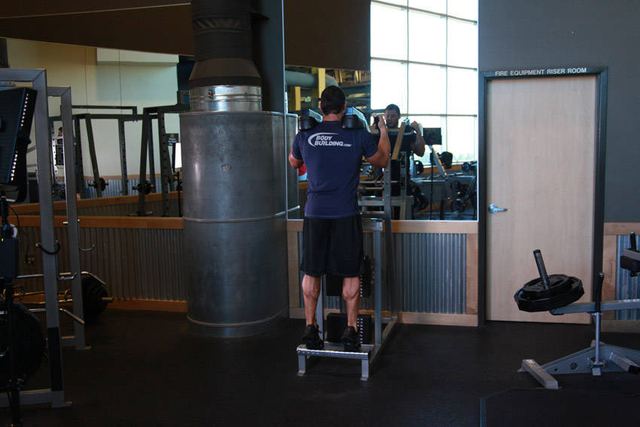
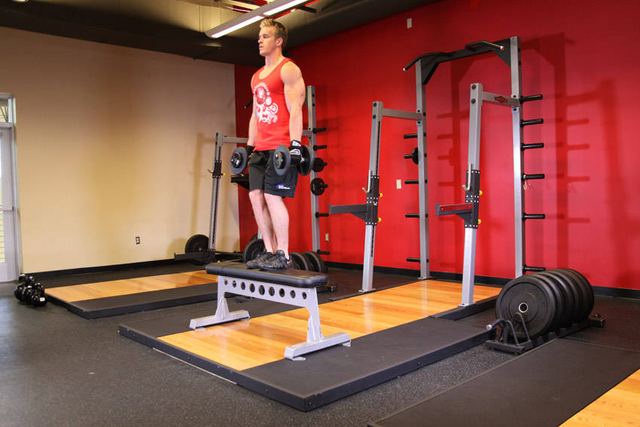
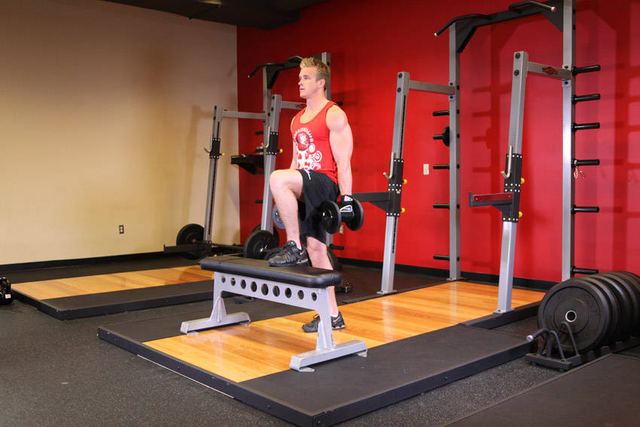
Calf raises strengthen the calves by rising up onto the balls of your feet.
 Animated demo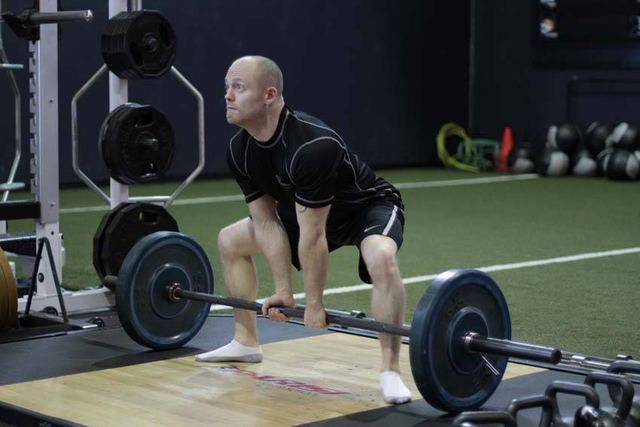
 Animated demo
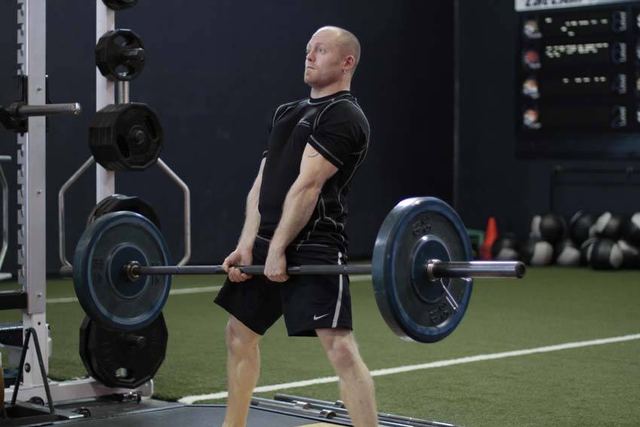
The sumo deadlift uses a wide stance with the hands inside the knees.
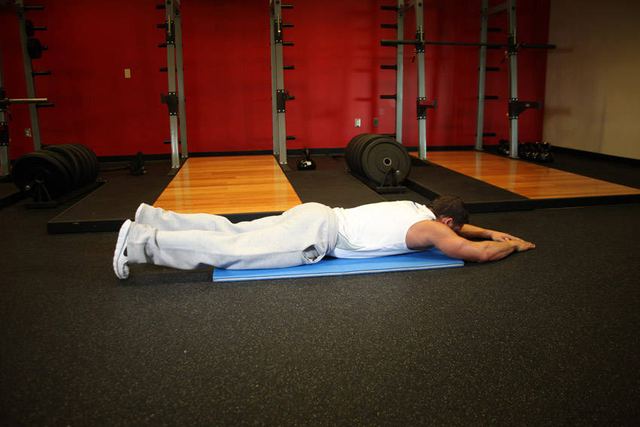
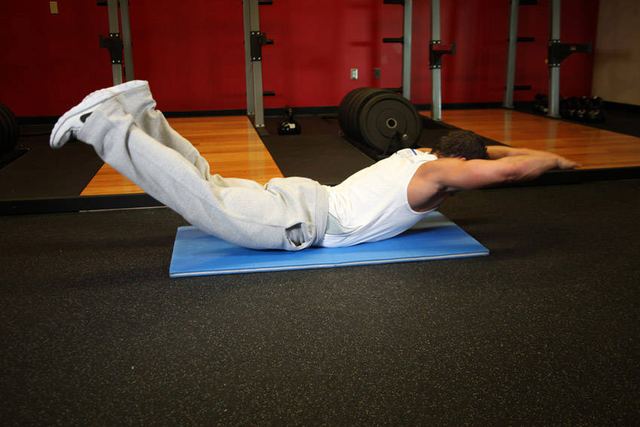 Animated demo
The superman strengthens the muscles along the back of your body: lower back, glutes and upper back.
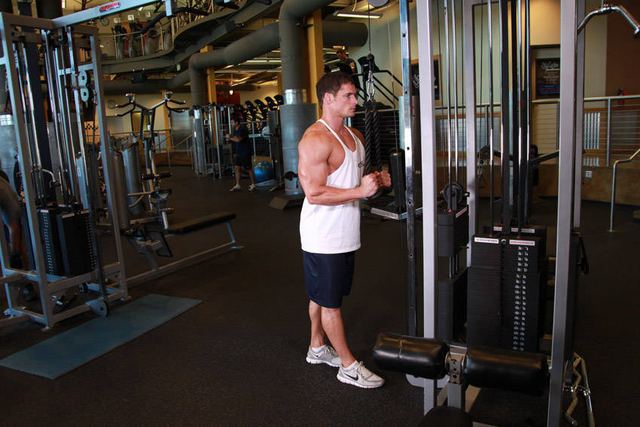
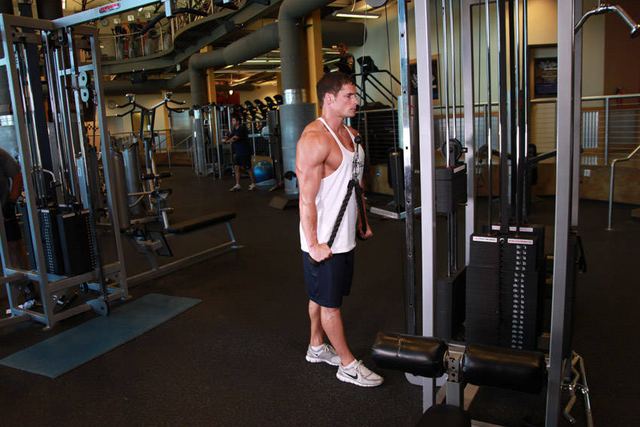 Animated demo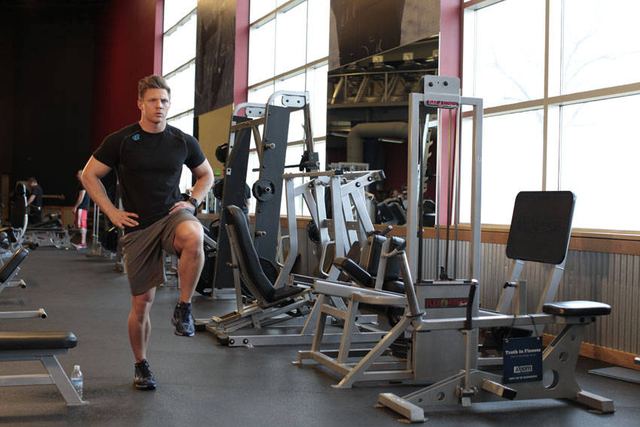
 Animated demo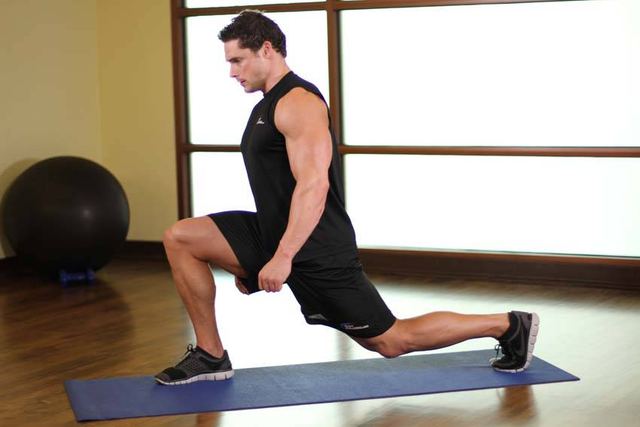
 Animated demo
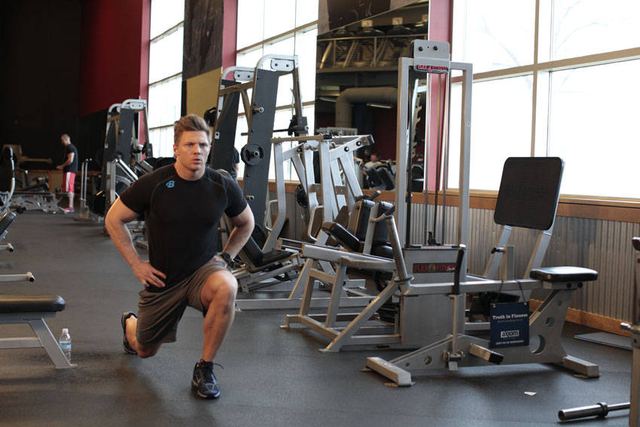
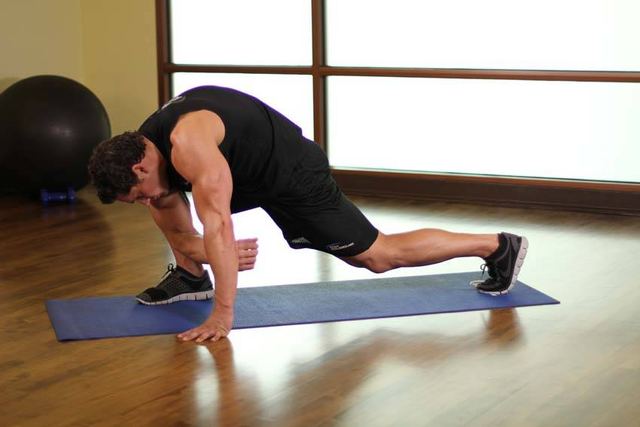
The World's Greatest Stretch combines a lunge, a hip-flexor stretch and an upper-back rotation in one movement.
Each exercise page is built like a mini coaching session. At the top you will see an animated demonstration that switches between the start and end position of the movement, followed by quick facts: the main muscles worked, the equipment, the difficulty level and whether it is a compound or isolation movement. Below that you get step-by-step instructions, the benefits, the most common mistakes, form tips, breathing cues, recommended sets and reps for beginners, intermediate and advanced lifters, easier and harder variations, and a safety checklist.
Use the filters above to find exercises for a specific muscle group or for the equipment you have. If you train at home with no equipment, choose Bodyweight. If you have a pair of dumbbells, choose Dumbbell. Gym-goers can explore barbell, cable and machine exercises.
A well-designed workout covers the main human movement patterns rather than random muscles. Try to include, across your week:
Pick one exercise from each group, do 2–4 sets of each, and you already have a complete full-body workout. If you prefer a ready-made plan, see our home workout programs and gym workout programs, all with separate versions for men and women.
Men and women can, and should, do the same basic exercises. Muscle tissue responds to training in the same way. What usually differs is the goal: many men want broader shoulders, a bigger chest and arms, while many women want stronger, rounder glutes, toned legs and arms and a tighter core. Our programs reflect those goals with different exercise emphasis, but every exercise in this library is suitable for everyone.
The exercise photos come from the open-source Free Exercise DB project, released into the public domain. We turned the start and end photos into simple animations so you can see the full movement. If you want to check your own form, record a short video of yourself from the side and compare it with the animation and the step-by-step instructions.
The abdominals include the rectus abdominis (the 'six-pack' muscle) and the deeper transverse abdominis. They flex the spine, brace the trunk and protect the lower back during lifting. Visible abs depend mostly on body-fat level, but strong abs improve posture and performance in almost every exercise.
The hip abductors (mainly the glute medius, glute minimus and tensor fasciae latae) move the leg out to the side and keep your pelvis level when you walk, run or stand on one leg. Weak abductors are linked to knees caving inward and knee pain.
The adductors are the inner-thigh muscles. They pull the legs together and help extend the hip in squats and deadlifts. Strong adductors protect against groin strains.
The biceps brachii sits on the front of the upper arm. It bends the elbow and turns the palm up. It works together with the brachialis and brachioradialis in every pulling exercise.
The calves are made of the gastrocnemius (the visible upper part) and the soleus (underneath). They point the foot and are essential for walking, running and jumping.
The chest muscles (pectoralis major and minor) push the arms forward and bring them across the body. The upper (clavicular) part works more in incline pressing, the lower part in flat and decline pressing.
The glutes (gluteus maximus, medius and minimus) are the largest and strongest muscles in the body. They extend and rotate the hip, power sprinting and jumping, support the lower back and shape the hips.
The hamstrings run down the back of the thigh. They bend the knee and extend the hip. Strong hamstrings protect the knees and balance out the quads.
The latissimus dorsi are the large, wing-shaped back muscles. They pull the arms down and back and create the 'V-taper' look. They also stabilize the spine in heavy lifts.
The lower back muscles (mainly the erector spinae) keep the spine straight and upright. They work hard to hold a neutral back in deadlifts, rows and squats.
The middle back includes the rhomboids and middle trapezius. They squeeze the shoulder blades together and are key for posture and healthy shoulders.
The quadriceps are the four muscles on the front of the thigh. They straighten the knee and are the main movers when you stand up from a squat, climb stairs or jump.
The shoulders (deltoids) have a front, side and rear part. They lift the arm in every direction. Well-developed side and rear delts make the upper body look wider and help keep the shoulder joint healthy.
The trapezius runs from the neck down the upper back. The upper traps lift the shoulders, while the middle and lower parts pull the shoulder blades back and down.
The triceps make up about two-thirds of the upper arm. They straighten the elbow and help in every pushing movement, from push-ups to the bench press.