Jump Rope: How to Do It, Muscles Worked & Benefits
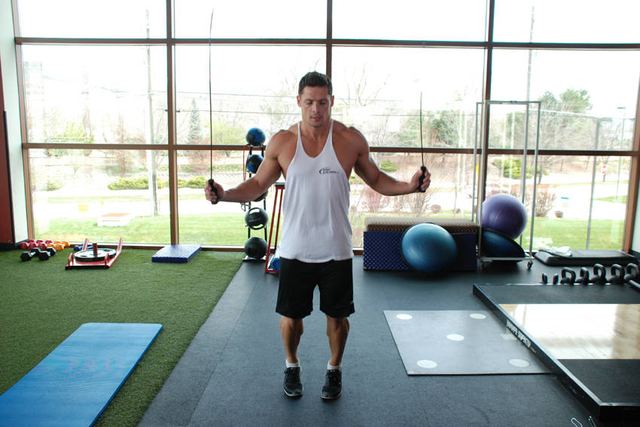
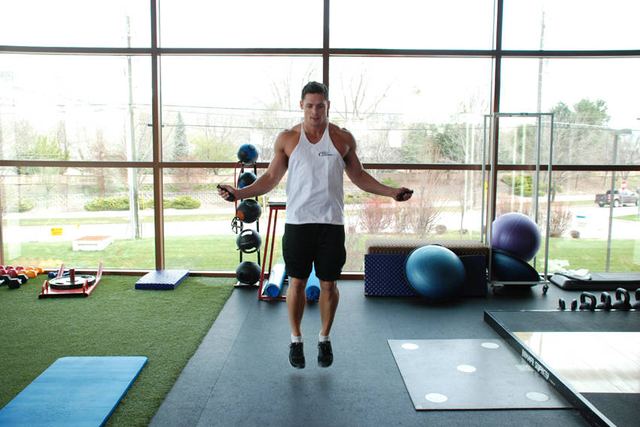 Animated demo
Jumping rope is one of the most efficient cardio workouts. Ten minutes of skipping gives you a serious conditioning effect, improves footwork and coordination, and strengthens the calves and ankles. A rope is cheap and fits in any bag.
What is the jump rope?
Jumping rope is one of the most efficient cardio workouts. Ten minutes of skipping gives you a serious conditioning effect, improves footwork and coordination, and strengthens the calves and ankles. A rope is cheap and fits in any bag.
The jump rope is an intermediate exercise and a isolation movement. Isolation exercises move one main joint, which lets you focus on a specific muscle, fix weak points and add extra training volume without tiring the whole body. You can do it at home with no or minimal equipment, which makes it easy to fit into almost any routine.
Muscles worked
The main muscles trained by the jump rope are the quads, with help from the calves, hamstrings.
Quads (primary)
The quadriceps are the four muscles on the front of the thigh. They straighten the knee and are the main movers when you stand up from a squat, climb stairs or jump.
Calves (secondary)
The calves are made of the gastrocnemius (the visible upper part) and the soleus (underneath). They point the foot and are essential for walking, running and jumping.
Hamstrings (secondary)
The hamstrings run down the back of the thigh. They bend the knee and extend the hip. Strong hamstrings protect the knees and balance out the quads.
How to do the jump rope: step by step
- Hold an end of the rope in each hand. Position the rope behind you on the ground. Raise your arms up and turn the rope over your head bringing it down in front of you. When it reaches the ground, jump over it. Find a good turning pace that can be maintained. Different speeds and techniques can be used to introduce variation.
- Rope jumping is exciting, challenges your coordination, and requires a lot of energy. A 150 lb person will burn about 350 calories jumping rope for 30 minutes, compared to over 450 calories running.
Coach’s note: Practice the first sessions with a light load or an easier variation. Perfect technique first, then add reps, then add weight.
Benefits of the jump rope
- Very efficient cardio and fat-burning tool
- Improves coordination and footwork
- Strengthens calves, ankles and feet
- Cheap and portable
Like all resistance training, the jump rope also contributes to the general health benefits of strength work: stronger bones, better blood-sugar control, improved mood and a higher resting metabolism over time. The U.S. Physical Activity Guidelines recommend muscle-strengthening activities for all major muscle groups on two or more days per week for adults.
Common mistakes to avoid
- Jumping too high
- Swinging the rope with the whole arm
- Landing on the heels
- Rope length too long or short
Most of these mistakes happen when the weight is too heavy or when you rush. Film one set from the side with your phone. It is the fastest way to spot form problems without a coach.
Form tips from a trainer
- Small jumps of 1–2 inches (2–5 cm) on the balls of your feet
- Turn the rope with your wrists, elbows close to the body
- Rope handles should reach your armpits when you stand on the middle
- Start with intervals: 30 seconds on, 30 seconds off
How to breathe
Never hold your breath during a static hold or stretch. Breathe slowly in through the nose and out through the mouth. Calm breathing keeps your core braced without spiking blood pressure.
Sets and reps by fitness level
| Level | Sets × reps | Rest | Frequency |
|---|---|---|---|
| Beginner | 5 × 30 sec | 60–90 sec | 2× per week |
| Intermediate | 8 × 60 sec | 60–120 sec | 2× per week |
| Advanced | 10–15 min continuous | 90–180 sec | 2–3× per week |
Choose a load or variation where the last 1–3 reps of each set feel hard but your form stays clean. When you can do the top of the rep range for every set, make it harder: add weight, add reps, slow the tempo or move to a harder variation. This is called progressive overload, and it is the main driver of strength and muscle gains.
Easier and harder variations
Make it easier
- Jump without a rope (shadow skipping)
Make it harder
- Double unders
- High knees with the rope
Jump Rope for men and women
The technique of the jump rope is the same for men and women. The difference is in programming. Men often aim for more upper-body size and use heavier loads with lower reps, while many women prefer more lower-body and glute volume and moderate loads with higher reps. Both approaches work. Muscle responds to effort and progressive overload regardless of gender, and women typically recover a little faster between sets.
You will find this exercise in these HelloMyTrainer programs:
- Advanced Home Workout for Men (Push / Pull / Legs + Conditioning)
- Advanced Home Workout for Women (Glute Builder + HIIT)
Safety tips
- Warm up for 5–10 minutes before your first working set: light cardio plus a few easy reps.
- Stop immediately if you feel sharp, stabbing or joint pain. Muscle burn is normal; pain is not.
- If you have an injury, are pregnant, or have a heart, blood-pressure or joint condition, ask your doctor or a physical therapist before doing this exercise.
- Make sure benches, chairs, steps and bars are stable and can hold your weight.
Frequently asked questions
What muscles does the jump rope work?
The jump rope mainly works the quads, with the calves, hamstrings helping.
Is the jump rope good for beginners?
It is rated intermediate. Beginners should start with an easier variation such as Jump without a rope (shadow skipping) and build up.
How many sets and reps of the jump rope should I do?
Beginners: 5 × 30 sec. Intermediate: 8 × 60 sec. Advanced: 10–15 min continuous. Train each muscle group about twice per week.
Can I do the jump rope at home?
Yes, it needs little or no equipment.
How often should I train with the jump rope?
Two to three times per week is ideal for most people, with at least 48 hours between hard sessions for the same muscle group.
Related exercises
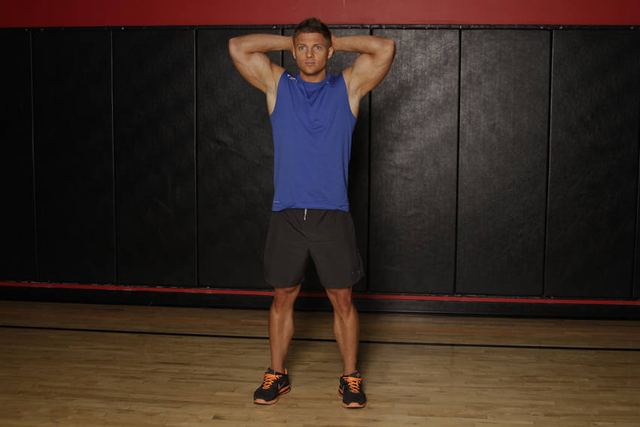
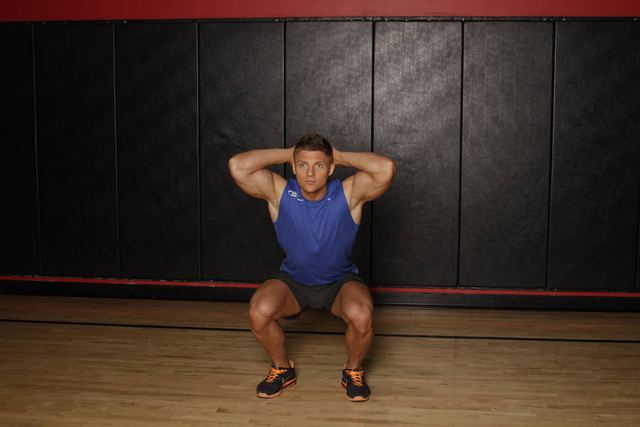 Animated demo
Bodyweight Squats
The bodyweight squat (also called the air squat) is the foundation of lower-body training.
 Animated demo
 Animated demo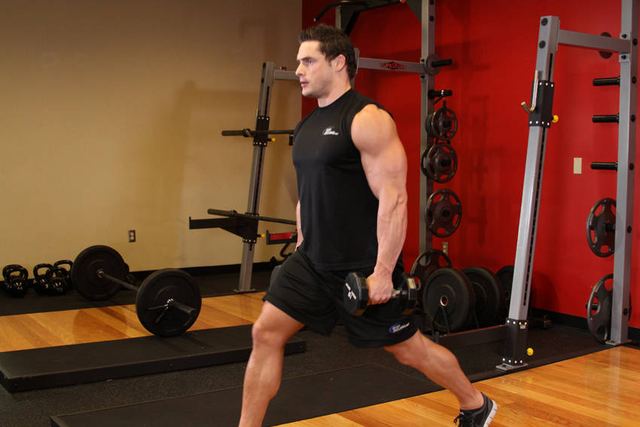
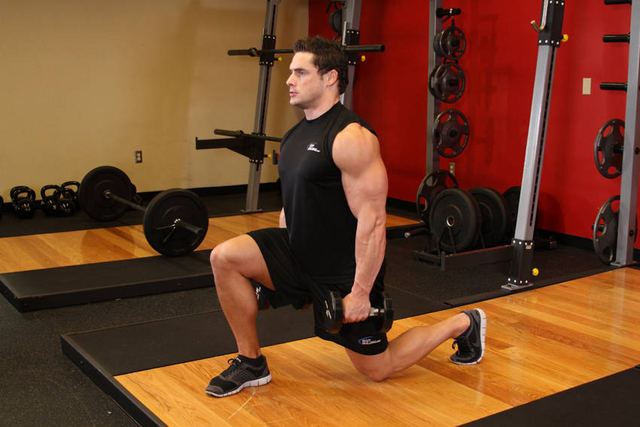 Animated demo
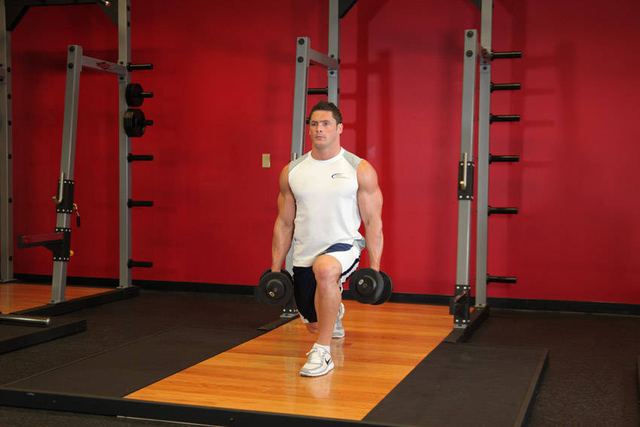
Dumbbell Lunges
Lunges train one leg at a time, which fixes strength differences between sides and challenges your balance.
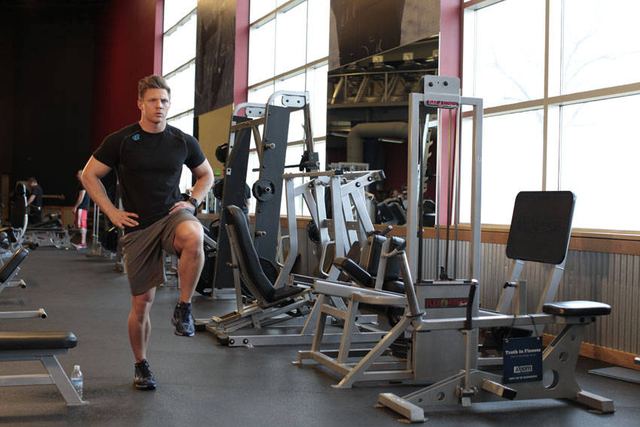
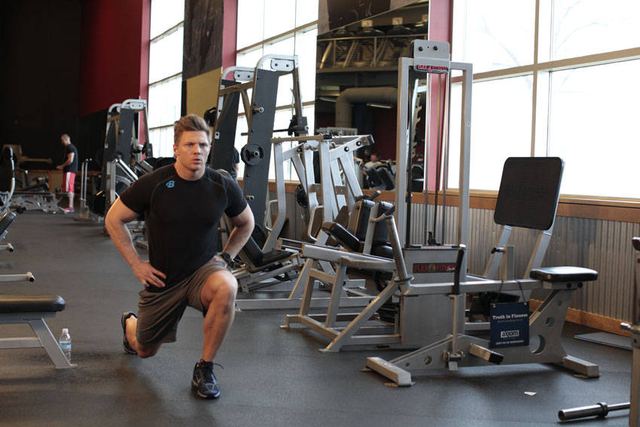 Animated demo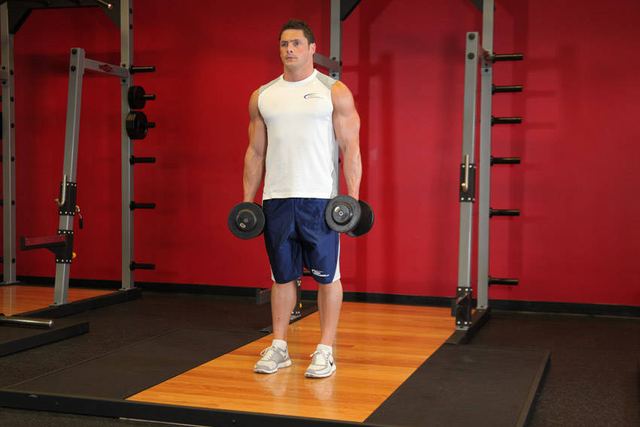
 Animated demo